Opening Speakers
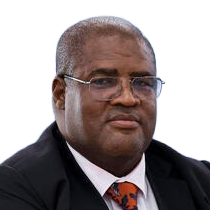
Mzwanele Nyhontso
Minister of Land Reforms and Rural Development
Republic of South Africa
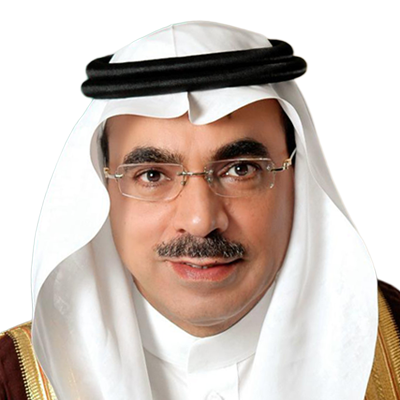
H.E. Eng. Fahad bin Mohammed Al-Jubeir
Mayor of the Eastern Province
Eastern Province Municipality
Kingdom of Saudi Arabia
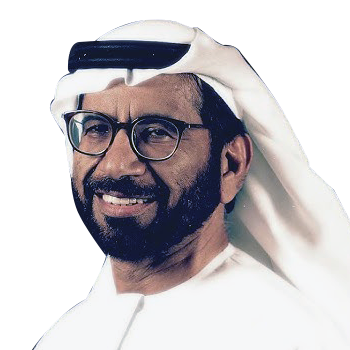
H.E Dr Khalifa Al Romaithi
Chairman
Federal Geographic Information Center (FGIC)
United Arab Emirates
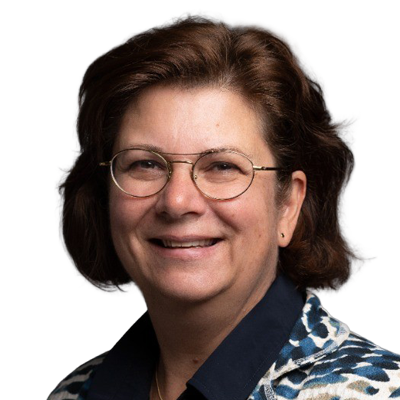
Cora Smelik
Member of the Executive Board
Kadaster
The Netherlands

Damian Spangrud
Managing Director
Esri
USA
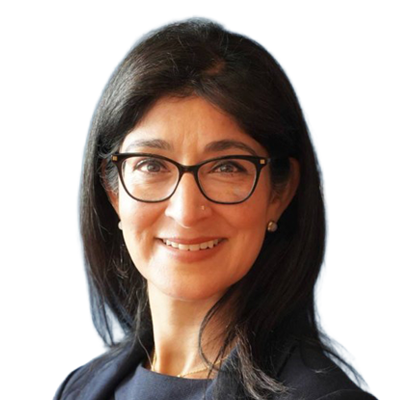
Aarti Holla Maini
Director
UNOOSA
Austria
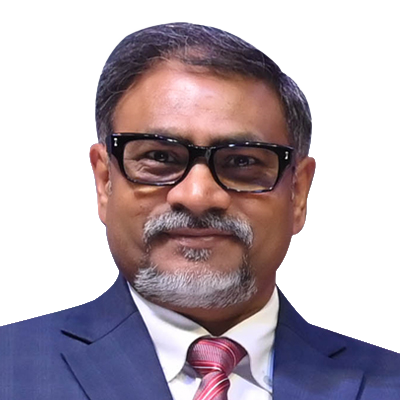
Sanjay Kumar
CEO
Geospatial World
India
Plenary Speakers
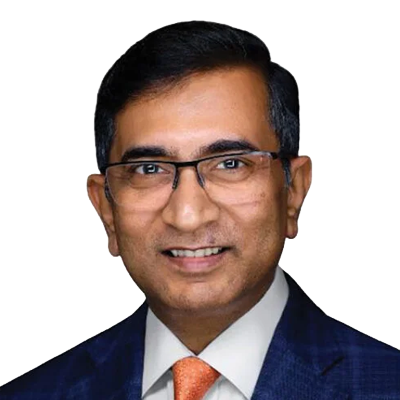
Abhay Mittal
CEO
Aetosky
Singapore
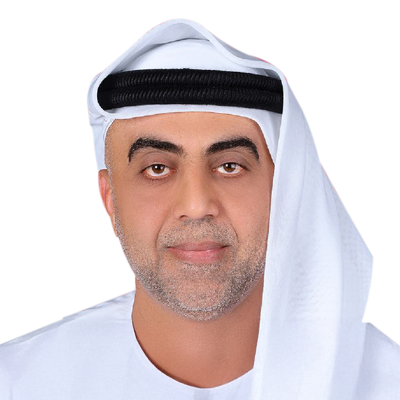
Ali Al Shehhi
Director General
National Space Science and Technology Centre
UAE
Andre Sobczak
Secretary General
Eurocities
Avinash M.V.
Senior Vice President
DSM Soft
India
Bhupinder Singh
Co-founder, EIRIS & Board Member
Magnasoft
India
Birendra Sen
President - Business Process Services
Tech Mahindra
India
Bob van Graft
Director - Spatial Information
Ministry of Housing and Spatial Planning
The Netherlands
Carlo Ruiz
Vice President
Europe Middle East and Africa, Nvidia
The Netherlands
Christophe Yvetot
UNIDO Representative to the EU, EIB, OACPS, Belgium and Luxembourg/Head of UNIDO Brussels Office
UNIDO
Belgium

Clinton Heimann
Director General - Department of Land Reforms and Rural Development, South Africa
&
Co-Chair - The United Nations Committee of Experts on Global Geospatial Information Management (UN-GGIM)

Coco Antonissen
Director Space Applications
Netherlands Space Agency
The Netherlands
Dean Angelides
Managing Director, International
Esri
USA
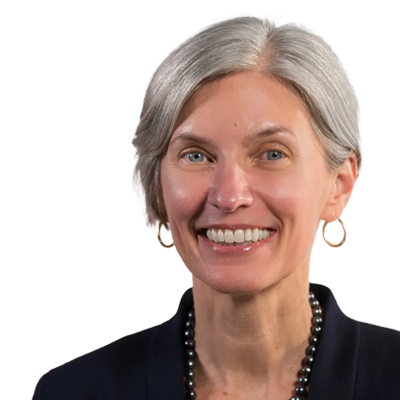
Deirdre Bishop
Associate Director - Economic Programs, US Census Bureau, USA
&
Co-Chair - The United Nations Committee of Experts on Global Geospatial Information Management (UN-GGIM)
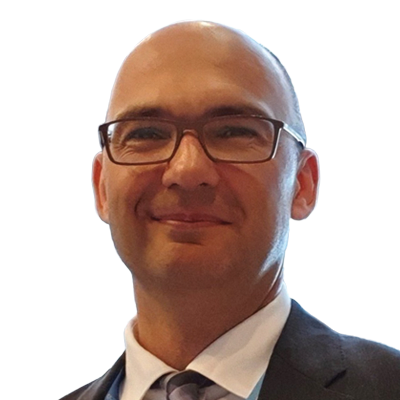
Dejan Jakovljevic
CIO and Director, Digital FAO and Agroinformatics, Italy
&
Chair, UN Geospatial Network
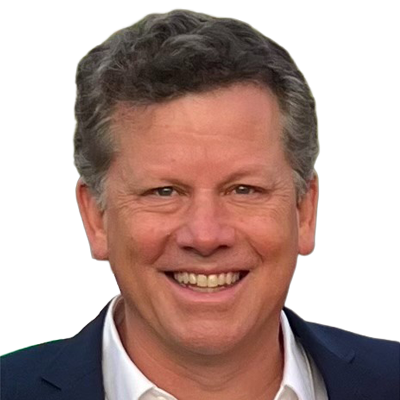
Erik Jorgensen
Chairman
Vexcel Data Program
USA
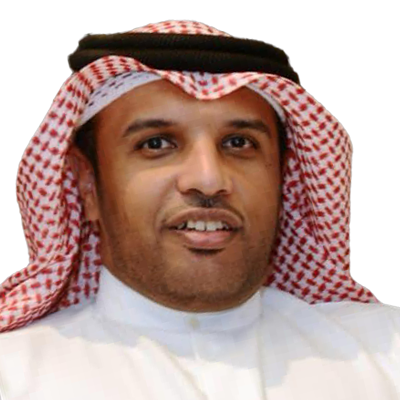
Faisal Al-Foriah
General Manager Of Geographic Information Systems Department
Eastern Province Municipality
Kingdom of Saudi Arabia

Friso Penninga
Director
Geonovum
The Netherlands
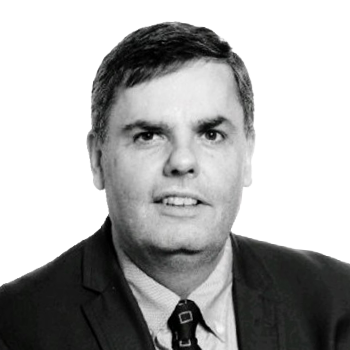
Garret Synnott
Senior Director
Cognizant
Ireland

Geert De Coensel
CEO
Merkator
Belgium
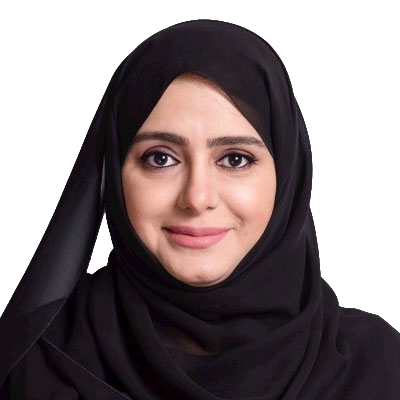
H.E. Eng. Anwaar Al Shimmari
Executive Director
Federal Geographic Information Center (FGIC)
UAE
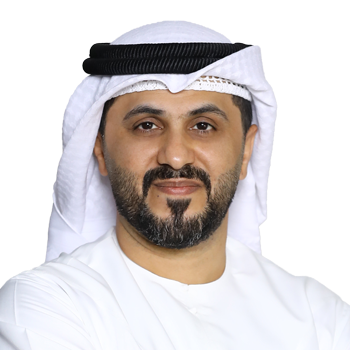
Hasan Al Hosani
CEO - Smart Solutions
Space42
UAE
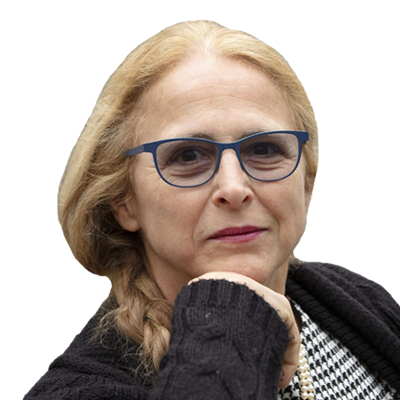
Ingrid Vanden Berghe
Administrator General
National Institute of Geography
Belgium
Jaan Saar
Chief Operations Officer
European Digital Infrastructure Consortium for Networked Local Digital Twins towards the Citiverse
The Netherlands

Javier de la Torre
Chief Strategy Officer
CARTO
Spain
Jeroen Zanen
CEO
AI InfraSolutions
The Netherlands

Joao Bentes
Head of Institutional Affairs
GEOSAT
Portugal

John Nyberg
Director
International Hydrographic Organization (IHO)
Monaco

Jonathon Pritchard
Senior Technical Manager
IIC Technologies
Krishna Bodanapu
Executive Vice Chairman and Managing Director
Cyient
Marcos Martinez
Secretary General
European Association of Aerial Surveying Industries (EAASI)
Spain
Maree Wilson
Chief of Place & Communities Division
Geoscience Australia
Australia
Mark Heine
CEO
Fugro
The Netherlands

Martin Langer
CEO
OroraTech
Germany
Mats Hultin
Former CIO at Ericson and Board Member
JSAN Consulting
Sweden

Michael Tischler
Associate Director for Core Science Systems
United States Geological Survey (USGS)
USA
Mike Gilbert
VP - Product Management
TomTom
The Netherlands
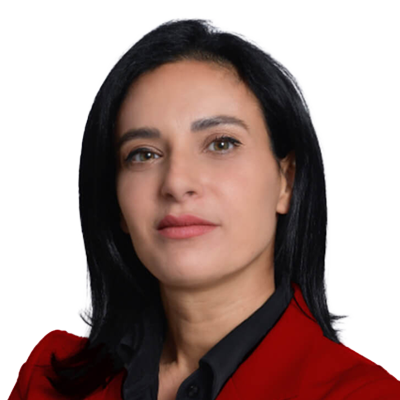
Milena Lerario
CEO
e-GEOS
Italy
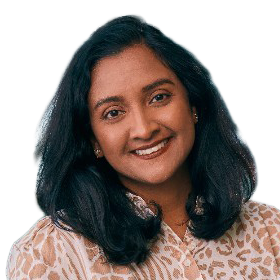
Miriam Daniel
VP and GM - Google Maps
Google
USA
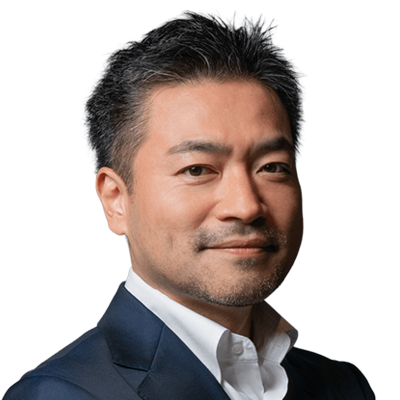
Motoyuki Arai
CEO
Synspective
Japan

Neil Churman
CEO
Woolpert
USA

Nicholas James Brown
Head of Office
United Nations Global Geodetic Centre of Excellence
Germany

Nick Bolton
CEO
Ordnance Survey
UK
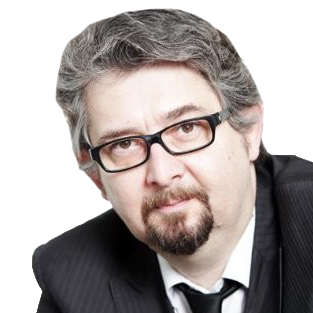
Nicolas Paparoditis
Dy Director General
National Institute of Geographic and Forest Information (IGN)
France

Nicolaus Hanowski
Head of the European Space Agency's (ESA) Earth observation satellite missions
European Space Research Institute (ESRIN)
Rome
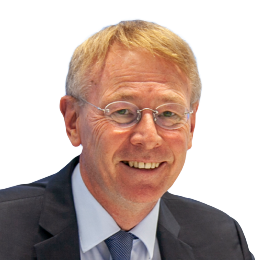
Paul Becker
President (Retd.)
Federal Agency for Cartography and Geodesy

Piers Dormeyer
CEO
Eagleview
USA

Ron S. Jarmin
Deputy Director and Chief Operating Officer
US Census Bureau
USA

Sallie Payne
Secretary General
EuroGeographhics
Belgium
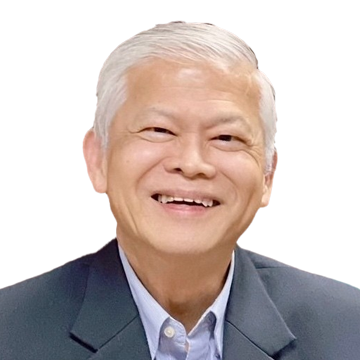
Seng-Chuan Tan
President
World Federation of Engineering Organization
Singapore
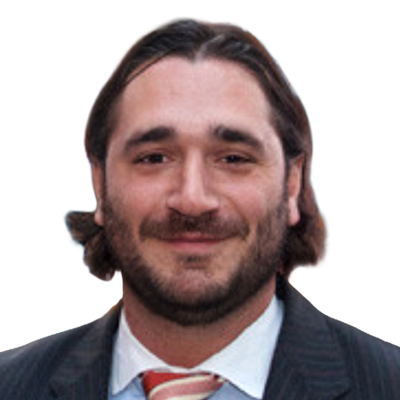
Sergio A. Fernández de Córdova
Chairman
PVBLIC Foundation
USA
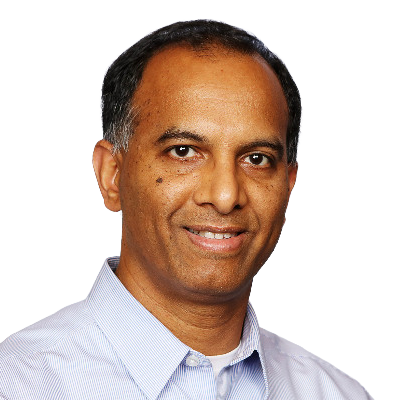
Siva Ravada
Vice President
Oracle
USA
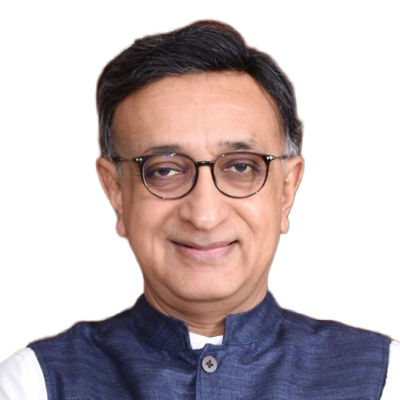
Srikant Sastri
Chairman
Geospatial Data Promotion and Development Committee, Dept of Science and Technology
India

Vinay Simha
CEO
SkyServe
India
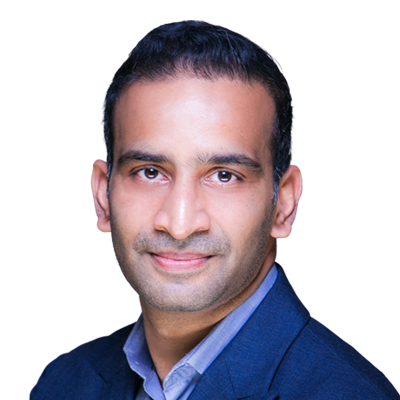
Vishal Thiruvedula
Vice President, Product
SatSure
India

Will Mortenson
Executive Director
Overture Maps Foundation
USA
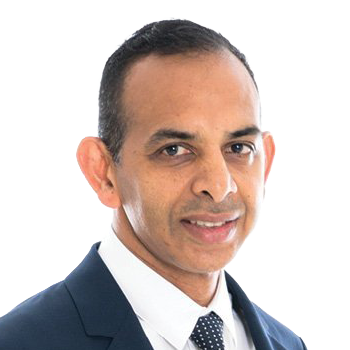
Willy Govender
CEO
Vast Point
South Africa

Yeo Wenshan
Deputy Chief Executive (Development)
Singapore Land Authority
Singapore
Moderators
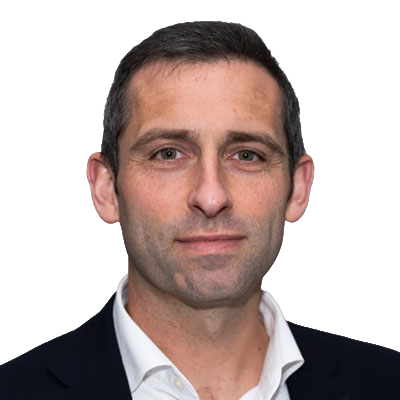
Aidan Mercer
Marketing Director
buildingSMART International
UK
Akanksha Tyagi
Senior Director, EMEA
Geospatial World
Ananya Narain
Vice President - Consulting
Geospatial World
India

Ananya Negi
Asset Manager - Business Analytics
Geospatial World
India
Ankur Vyas
Associate Director
Geospatial World

Aravind Ravichandran
Founder & CEO
TerraWatch Space
France
Archita Shaktawat
Director - Consulting
Geospatial World
India

Asmaa Abouleish
Chief Innovation Officer
Ayvo AI
Saudi Arabia

Brittany Donald
Program Management- Americas
Geospatial World
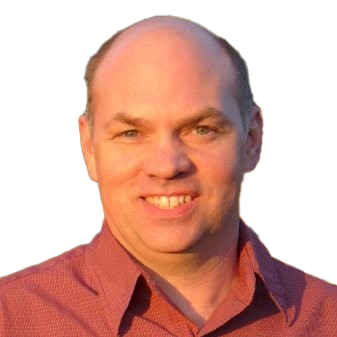
Dana J. Caccamise
Regional Geodetic Advisor, Western & Pacific Regions
NOAA's National Geodetic Survey (NGS) Organisation
USA

Daria Filichkina
COO
Astro Agency
UK

David Lewin
Head of International Strategy, Governance and Strategic Partnerships
DSIT
UK

Diane Dumashie
FIG President
UK

Flavia Cavaliere
Blue Economy Expert (Italian Ministry of University & Research)
Sustainable Blue Economy Partnership
Italy

Gerhard Deiters
Partner
BHO Legal
Germany
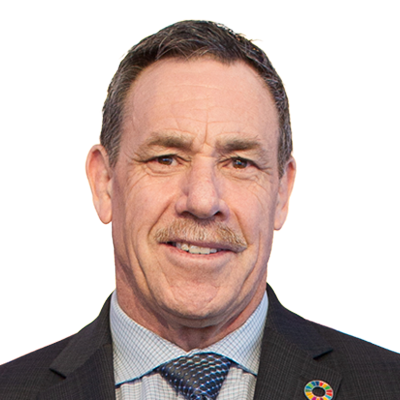
Greg Scott
Executive Director, SDG Data Alliance
PVBLIC Foundation
Australia
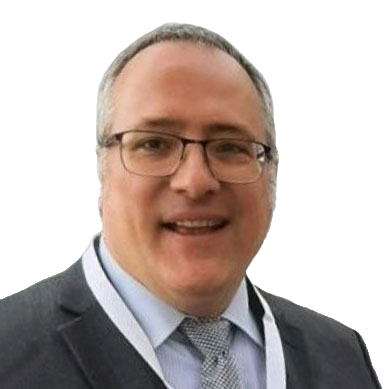
Hermen M. Westerbeeke
Director - Blue Economy
Responsible Alpha Inc
USA

Jeff Hamerlinck
Associate Director
University of Wyoming School of Computing
USA
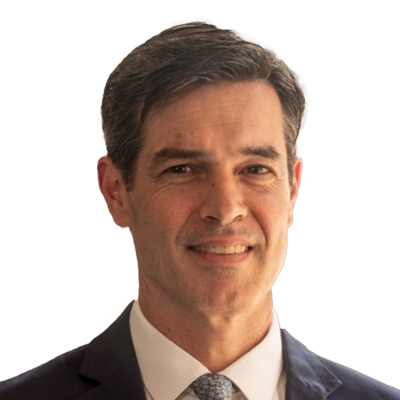
Jeffrey A. Carney
Professor
Florida Institute for Built Environment Resilience (FIBER)
USA

Mark Reichardt
Senior Consultant
Geospatial World LLC

Paul Janssen
Geo-standardisation Expert
Geonovum
The Netherlands
Peter Siegmund
Expert Climate
Royal Netherlands Meteorological Institute - KNMI
The Netherlands

Rob van Son
Principal Advisor
Digital Spatial Connect Consulting
The Netherlands
Titas Roy
Industry Manager - Infrastructure
Geospatial World
India
Vaishali Dixit
VP - Americas
Geospatial World
Yashar Hajimolana
Assistant Professor
Energy Systems Integration Scheme
The Netherlands
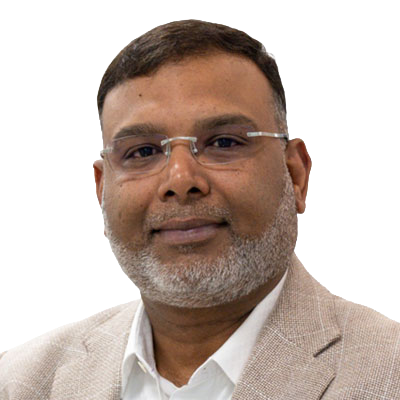
Zaffar Sadiq Mohamed-Ghouse
VP & Director
Woolpert
Australia
Program Speakers
Industry
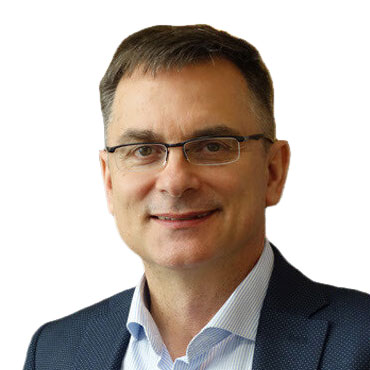
Adam Iwaniak
CEO
The Wroclaw Institute of Spatial Information and Artificial Intelligence
Poland

Adrian Blockus
Global Product Partnerships Manager - Google Maps
Google
UK

Alberto Perez Cassinelli
VP - Data
Open Cosmos
Spain
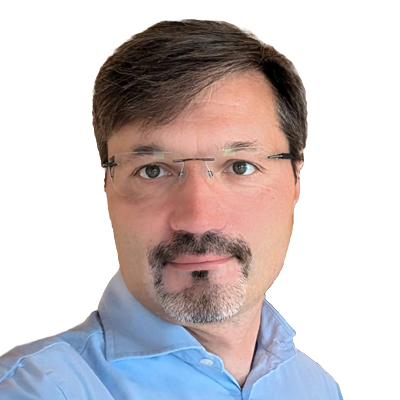
Alexey Anatskiy
Geo Enterprise Sales - Google Maps
Google
UK
Alexey Anatskiy is an EMEA Lead for Google Maps Enterprise based in London, UK. For the last twelve years at Google he has worked across Partnerships and Cloud Platform teams and is now focusing on business development and new use cases for Google Maps Platform in the region with particular interest in transportation, logistics and business analytics. Alexey has more than 25 years of experience in technology, industry and consulting. In his spare time he is a mentor at Google for Startups program and an angel investor. Alexey holds an MBA from INSEAD and an MSc in Computer Science from BMSTU.

Alvaro Nunez Martiez
Technical Manager
GMV
Spain
Alvaro Nunez Martiez is the Technical Manager of the LEONSEGS project at GMV, where he leads the definition and implementation of federated ground segment architectures for multi-mission Earth observation operations. He previously worked in satellite operations at GEOSAT and Deimos Imaging, supporting mission planning, flight dynamics, and anomaly resolution across LEO missions. At Indra, he contributed to space surveillance and tracking programmes, covering system-level design and sensor operations. Alvaro holds a degree in Aerospace Engineering and a Master's in Space Science and Technology, currently focusing on bridging technical systems and operational needs within the project framework.

Amar Nayegandhi
Executive VP, Geospatial & Global Head of Technology
Woolpert
USA

Amir Bar-Maor
Principal Product Engineer
Esri
Amir Bar-Maor graduated with a degree in geodesy from the Technion - Israel Institute of Technology in 1999 and a master degree in geodesy in 2002. After working for several years designing and implementing GIS technology, he joined esri in 2008 - initially as a project manager and consultant for cadastral projects and later as a product engineer in software development. Amir is a licensed cadastral surveyor and a licensed real estate appraiser.
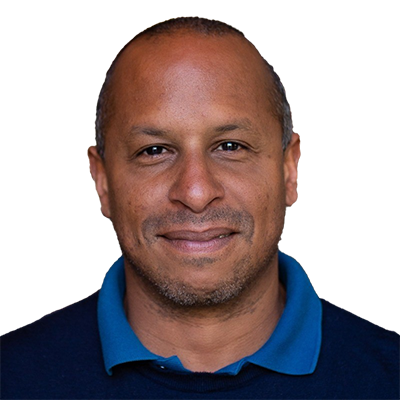
Andre Parris
Chief Commercial Officer
Aistech Space
Spain

Andrey Kirsanov
Chief Science Officer
GUIDE Digital
Australia
Andy Shaw
Director
Assimila Ltd
UK
Andy Shaw is Director at Assimila Ltd, specializing in Earth Observation (EO) for environmental monitoring, modelling, and prediction. Formerly with the National Centre for EO and advisor to Defra, he has led initiatives linking space technology to Net Zero, including Space for Green(ing) Finance. He focuses on climate risk, adaptation, and nature-based solutions using satellite data, and serves as Space Director at Resilience Constellation Management Limited.
Soufiane el Khinifri is founder of Spatialise, developing satellite-driven MRV solutions for soil carbon and regenerative land management. With experience at VanderSat (Planet) and UNHCR missions, he applies EO data to scale climate-smart, carbon-positive agriculture globally.

Anna Shcherbacheva
R&D and AI Developer
Terrasolid Ltd.
Finland
Anup Jindal
CEO
RMSI
India

Armin Hamidovic
Director, Geospatial Operations - Google Maps
Google
USA

Ashleigh Sier
Business Development Manager
Esri
The Netherlands

Atiq Asif Kazi
Director
Pioneer Foundation Engineers (PFEPL)
India

Atsushi Takata
Executive Vice President
Global Alliance Strategy Office
SpaceData Inc.

Aurelien Debievre
Head of Defence Product Marketing
TomTom
France

Bas Roelands
Principal Sales Consultant, BI & W
Oracle
The Netherlands
Benedikt Gräler
Managing Director, Research
52° North
Germany

Bharadwaj Pulugundla
Business Development Partner
Verizon Enterprise Solutions
The Netherlands
Blaž Vidmar
Head of Business Development
Flai
Slovenia
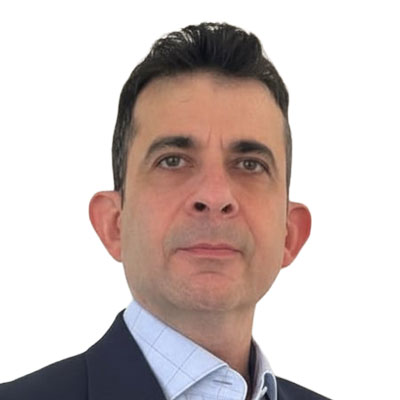
Bobbie H. Kalra
Founder & Chief Solutions Officer
Magnasoft
India
Bobbie H. Kalra is the Founder & Chief Solutions Officer at Magnasoft, bringing over 20 years of entrepreneurial leadership in building a globally recognized geospatial technology venture from the ground up. From securing early institutional capital to scaling operations across emerging and mature markets, Bobbie has consistently translated innovation into measurable customer value-helping enterprises, utilities, and governments digitize, optimize, and future-proof critical infrastructure through intelligent geospatial solutions.
His career is defined by a combination of deep tech fluency in AI/ML-powered spatial technologies, sharp product-market fit instincts honed from ideation to monetization, and firsthand experience navigating complex global markets.
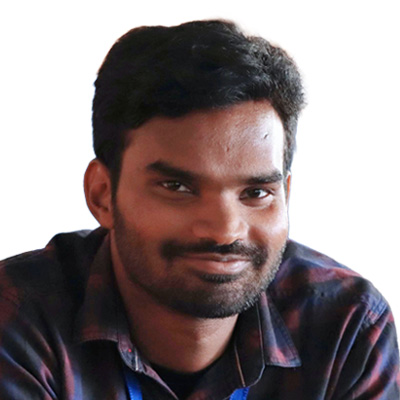
Boddepalli Navjoth
Senior Geospatial Data Scientist
Garudalytics
India
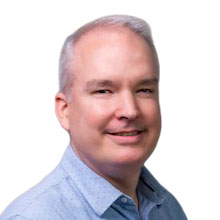
Borja Munoz
Solutions Engineer
Carto
Spain
Borja Munoz is a Solution Architect and Sales Engineer with a technical background focused on geospatial and location intelligence products and solutions. Borja is an experienced architect specializing in cloud data warehouses and data platforms (Google BigQuery, Amazon Redshift, Snowflake, Databricks).

Caroline Levey
Managing Director
OceanWise Ltd - England
United Kingdom
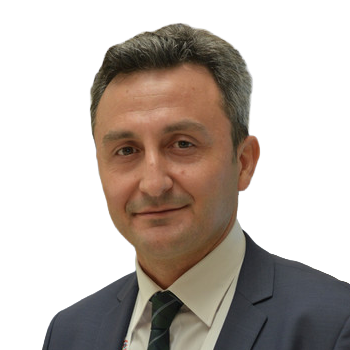
Cenk Sen
CEO
MipMap Technologies
Turkey

Chris Andrews
Principal Consultant
BuildIT Design Lab/Foresight Spatial Lab
France

Chris Jackson
European Business Development Lead - AEC
Esri
USA
.png)
Col Mikko Punnala (Retd)
CEO
SharpNav
Finland

Colin Wellborn
Senior Director of Business Development, Geospatial Services and Solutions (GSS)
General Dynamics Information Technology, Inc
Washington, D.C.

Dariusz Tanajewski
Principal Geospatial Data Scientist/CSO
TerraEye
Poland
Dean Hintz
Team Lead - Strategic Solutions; Product Manager Open Standards
XML
Canada
Dean leads the Strategic Solutions team and serves as the Product Manager for Open Standards/XML at FME. He designs and prototypes data architectures and applications leveraging FME's spatial data transformation platform. As the product manager for open standards, Dean oversees FME's alignment with standards from organizations like OGC, INSPIRE, Building Smart, and NENA NG911. His work primarily focuses on sectors such as disaster response, environmental management, climate change, and various geospatial applications including GeoBIM, digital twins, and mapping of indoor and underground environments. Dean's expertise extends to building complex data integration and automation systems, and he actively contributes to pilots, working groups, and industry conferences.

Delphine Lobelle
Climate & Nature Advisor
Fugro
Dhananjay Deshmukh
CTO
Tech Mahindra
USA
Digvijay Singh
President & GM- Geospatial Business GCC
NeoGeoinfo Technologies
India
Dongpo Deng
Founder & CEO
Geomni Inc.
Taiwan
Dongpo Deng is a geospatial AI practitioner and founder of Geomni Tech Inc., focusing on geospatial knowledge engineering through the integration of knowledge graphs, open standards, and AI. He collaborates with Taiwan's National Land Surveying and Mapping Center (NLSC) and National Center for High-performance Computing (NCHC) to transform mapping specifications into machine-readable knowledge. His recent work on "National Map Agents" leverages GraphRAG and GeoAI to enable interoperable, standards-aware geospatial workflows. Forthemore, he also engages with data space initiatives in Taiwan advancing data sovereignty and trusted geospatial data sharing.
Eamonn Prowse
Senior Director, UK
Magnasoft
UK

Elisabeth Paul
Co-Founder & Managing Director
MUnique Technology GmbH
Germany

Eloise Thaisen
Delivery & Operations Lead - Altavec
Tech Mahindra
Australia

Emily Chih
Marketing Director & EA to CEO
DataYoo Application Co.Ltd
Singapore
Emlyn Hagen
Director Defense & Intelligence - Europe
NV5 Geospatial
Germany
Ervin Ruci
Founder
Geolytica INC.
Canada
I'm the founder of several bootstrapped startups working mostly in the areas of Natural Language Processing and Computational Geometry. With over two decades in geospatial technology, I specialize in developing high-performance geocoding and location intelligence solutions. As the founder of Geolytica Inc., Geocoder.ca, Geocode.xyz, 3geonames.org and Poidata.xyz, I've built APIs that process billions of geocoding requests monthly, aiding businesses in optimizing logistics, mapping, and data analysis. My work integrates open-source tools and AI to enhance global geospatial data accuracy.

Erwin Vonk
Founder & CEO
StellaSpark
The Netherlands
Faissal Sehbaoui
CEO
Agri Edge
Morocco

Filipe Pinto
Director
TopoDOT Consulting Services, TopoDOT Solutions
Portugal
Frédéric TOURRET
Co-Founder and CEO
FACTiven
Luxembourg

Frans Keijzer
Customer Solution Manager
TomTom
The Netherlands
Frederic Depuydt
VP - Geospatial Data Engineering
TomTom
Fred Depuydt is VP Geospatial Data Engineering at TomTom, with nearly two decades of experience transforming large-scale digital map production.
He has played a key role in evolving mapmaking into globally integrated and continuously updated production pipelines.
At TomTom, Fred leads the use of AI-driven automation and quality validation to improve the scalability, efficiency, and consistency of map production across automotive and enterprise platforms worldwide.
His work focuses on how AI is changing the way maps are created, maintained, and used for automated driving and next-generation global location-based services.

Friedhelm Moggert Kageler
Director Product Management
Teledyne CARIS
Germany

Gennadii Donchyts
Staff Engineer, Geo Enterprise Sales
Google
The Netherlands
Dr. Gennadii Donchyts is a Staff Engineer at Google. He helps public and private sector customers use Google's geospatial technology across multiple industries in the EMEA region and beyond. Gennadii holds a PhD in remote sensing from Delft University of Technology and is passionate about software engineering and machine learning for geospatial applications.

Geza Toth
CEO
CarbonSpace
Switzerland

Gopika Suresh
CSO & Head of Products
Marble Imaging
Germany
Gopinath Mallipatna
Chief Financial Officer
SatSure
India
Gregory Hay
Founder and Director
Noto Analytics
Canada
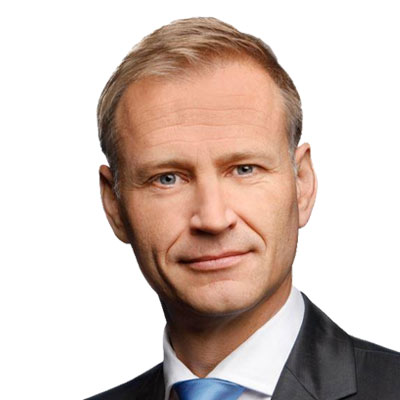
Hanno Schoklitsch
CEO & Founder
Enignum AI GmbH
Germany

Hans Bossenbroek
Founder and Chief Executive
Luminis/Yuma
The Netherlands
Hans is the founder of Luminis and, after it was acquired by Yuma, now a board member of Yuma with a focus on strategy and data. Hans brings deep expertise in scaling data-driven organizations. He not only teaches and advises on data strategy, but also leads the design of secure, interoperable data-sharing solutions using the InformationGrid platform (https://informationgrid.com). Luminis has been a DMI-member from the very beginning, facilitating a digital infrastructure (DMI Product and Data Exchange, PDX) to exchange data in a safe and trusted way.
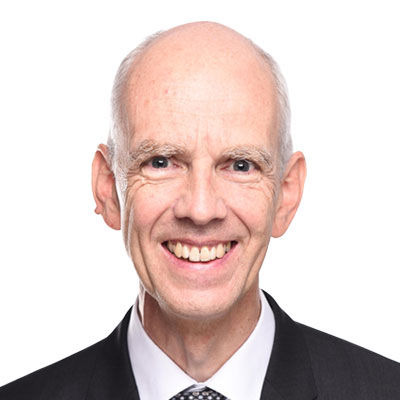
Hans Viehmann
Director of Product Management - Spatial and Graph Technologies
Oracle
Greater Hamberg Area

Harsh Shah
CEO
AgroCast Analytics
India
Harsh is the Founder and CEO of AgroCast Analytics Pvt Ltd in India, leading innovations at the intersection of agriculture, water, and climate change. He specializes in geospatial analytics, climate risk assessment, and precision farming, developing tools and apps that provide real-time insights on crop growth, soil moisture, and crop health. His work empowers farmers, guides government and private-sector projects, and promotes climate-resilient practices. Recognized for innovation with accolades such as the Srujan Grant, Dr. Shah combines technical expertise with strategic leadership to drive sustainable agriculture and water management solutions.
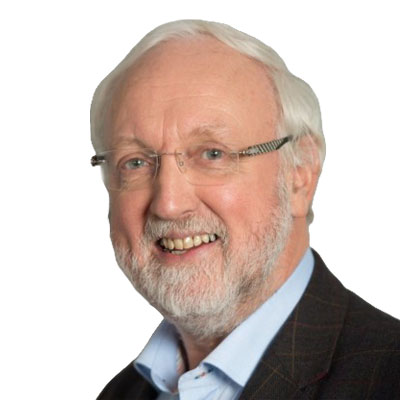
Henk Scholten
Director Research
LOCATIQS Group
The Netherlands

Hirokazu Mori
Chief Strategy Officer
WARPSPACE
Japan

Iain MacInnes
Senior Director
Synspective
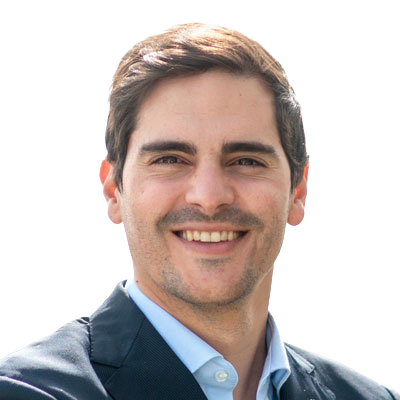
Javier Alexander Santos Wybenga
Business Development Director
GEOSAT
Portugal
Javier Santos is an Aerospace Engineer by the Technical University of Madrid, Spain and Institut National Polytechnique of Grenoble, France. Javier has developed his career in technical roles in the aerospace and satellite operations domains, as well as in business development, sales and marketing roles in technical contexts. He is the Director of Business Development for GEOSAT, currently leading the commercial area through the provision of innovative Earth Observation solutions and data to customers worldwide.

Javier Marin
Director of Geospatial AI
Space42
UAE
Javier Marin is a Geospatial AI Director at Space42, specializing in computer vision, remote sensing, and multimodal AI. With a PhD in Computer Vision from Universitat Autonoma de Barcelona, he has led AI transformation initiatives at Satellogic and conducted research at MIT CSAIL. His work focuses on geospatial intelligence, especially on object detection, semantic segmentation, and the use of foundation and vision-language models for Earth observation.
Jeremy Parker
CEO
Blue Marble Geographies
USA
Jill Saligoe-Simmel
Sr. Principal Product Manager
Esri
USA
Jill Saligoe-Simmel, PhD - Jill is Senior Principal Product Manager at Esri, responsible for Geospatial Ecosystems, Spatial Data Infrastructure (SDI), and ArcGIS Hub. She is a professional geographer, former statewide Geospatial Information Officer, and experienced business owner. Jill is dedicated to applying a geographic approach to create vibrant, healthy, and sustainable communities worldwide.

Joe Garland
Enterprise Account Executive
Carto
UK
Joe is an Account Executive at CARTO, working with financial services and insurance organisations to unlock value from geospatial data, analytics and AI. Joe has a Masters in Geography & GIS from Durham University.

Jonas van Schrojenstein Lantman
Product Manager
Rana Water Intelligence
The Netherlands
Jyoti Rohodia
Lead - GIS Engineer
Boskalis Westminster Contracting Limited
UAE
Kartik Kumar
CEO
Sat Search
The Netherlands

Kees De Zeeuw
Practice Lead - Land Administration
Esri
The Netherlands
Kees de Zeeuw holds an MSc degree in land and water management and is Principal Consultant at Esri Global. Within Esri he is the Practice Lead on Land Administration at the Geospatial Authorities Department of Professional Services. His expertise is on land administration, e-governance, geo-information services and Spatial Data Infrastructures. He made contributions to Fit for Purpose Land Administration, LADM, IGIF and FELA.

Kris.de Meester
Vice President of Sales and Business Development
Xenomatix
Belgium

Leigh-Anne McKnight
P.Eng, Co-Founder
UTILITX
Canada

Lesley Arnold
Director/Founder
Geospatial Frameworks Pty Ltd
Australia
Dr. Lesley Arnold is a geospatial strategist and data governance specialist with over 30 years' experience working with governments, international organisations and academia to strengthen national spatial data infrastructures. She is the founder and Director of Geospatial Frameworks, a consultancy that works globally on SDI strategy, data governance and implementation planning. Lesley is one of the lead authors of the UN-IGIF and has advised the United Nations and World Bank on geospatial policy, governance models, country action plans and the future geospatial information ecosystem. She is a Non-Executive Director of AuScope and the Australian Urban Research Infrastructure Network, and an Adjunct Associate Professor at Curtin University. Her research focuses on knowledge on-demand ecosystems, data as critical infrastructure, and using geospatial intelligence to support sustainable development and decision-making.

Lisa Broekhuizen
Technical Director
Space4Good
The Netherlands

Luis Sanz
CEO
Carto
Spain
Luis has over 15 years of B2B SaaS experience in the technology startup space. He previously co-founded Olapic, where he served as Chief Operating Officer and Chief Technical Officer.
Mamdooh AL Shahrani
Executive Director
General Authority for Survey and Geospatial Information (GEOSA)
Saudi Arabia

Marianne Slamich
CMO
Pointr
UK
Marianne Slamich is CMO at Pointr, the leader in AI mapping and indoor location. Trusted by 15 Fortune 100 companies, Pointr powers spatial experiences across corporate campuses, airports, hospitals, retail spaces, and convention centers. Pointr's technology transforms floor plans into interactive 3D maps, enables highly accurate blue-dot navigation, and provides real-time geospatial context for AI agents.
With 20 years across enterprise tech and startups, Marianne is helping define the next frontier of AI: bringing intelligence into the built world.

Markus Handl
International Partner Management
RIEGL International GmbH
Austria

Martin Pentier
Geospatial Sales Manager, Defence and Space - Intelligence
Airbus
France

Martin RØymo Skedsmo
Sales Director Canada & Nordics
Kongsberg Satellite Services
Norway
Mathias Van Flieberge
International Business Development Manager
AI Infrasolutions
The Netherlands

Meghna Sengupta
Geospatial Data Scientist
Marble Imaging
Germany
Mengchi Ai
R&D Team Leader
Micro Engineering Tech Inc
Canada

Michal Bylicki
Tender Sales & Account Management Director
CloudFerro
Poland
Michal Bylicki is Sales Director at CloudFerro, Europe's leading provider of sovereign, secure cloud computing and digital data services for Space and Defence, where he leads sales activities related to complex, institutional tenders and strategic customer relationships. He works with technology partners and public-sector stakeholders, involved in the large-scale, data-driven projects, geospatial and Earth-observation ecosystems based on secure cloud platforms.
N Sudheer Kumar
Vice President Global Strategy, Manufacturing and Supply Chain Operations
XDLINX Space Labs
Narayan Prasad
Chief Operating Officer
Sat Search
The Netherlands
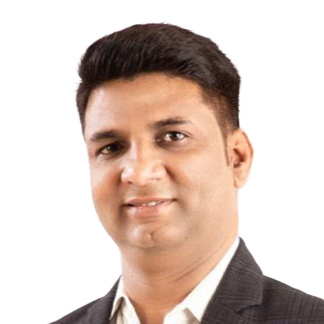
Nitin Pande
Head - GoToMarket and Solutions
Tech Mahindra
India
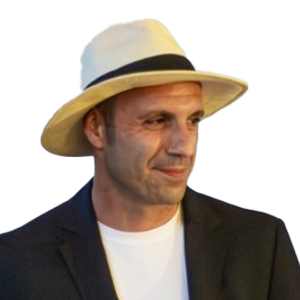
Nuno Rodrigo Silva
Head of Training
IIC Technologies
Portugal

Ori Lefkovitz
Product Manager, Geo Map the World
Google
USA
Ori Lefkovitz is a Boulder, Colorado based Senior Product Manager at Google Maps, focused on Applied Imagery and Safe Usage. In this role, he is responsible for advancing high-value, new imagery applications across Google and to developers while maintaining strict safety and privacy standards. This includes Google consumer 3D mapping apps like Google Earth and Google Maps satellite mode. Outside the office, Ori is a stereotypical Boulderite, spending his free time mountain biking, snowboarding, running trails in the Rockies, and hanging in the yard with his family.
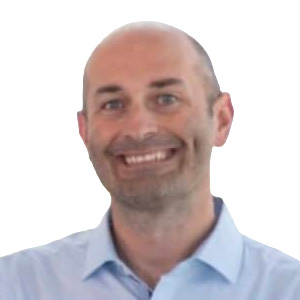
Patrick Stevenson
Chief Product Officer
Blue Marble Geographics
USA
With two decades of experience, Patrick has a passion for driving innovation and scaling global software. He's currently the Chief Product Officer at Blue Marble Geographics, leading the charge on their digital evolution. Patrick's background includes ten years at Trimble, where he most recently served as VP of Product Management, and at Salesforce, where he led service products through a period of significant growth. He is an alumnus of Harvard Business School (GMP24) and holds a degree in Human Geography and GIS from Northern Michigan University. Patrick lives in Colorado where he enjoys everything the mountains
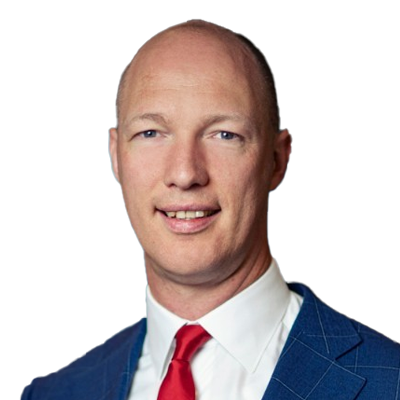
Peter van der Werf
Executive Director
Robeco
The Netherlands

Pieter Decker
Director, GEOINT Requirements and Capabilities
Raytheon Air & Space Defense Systems
USA
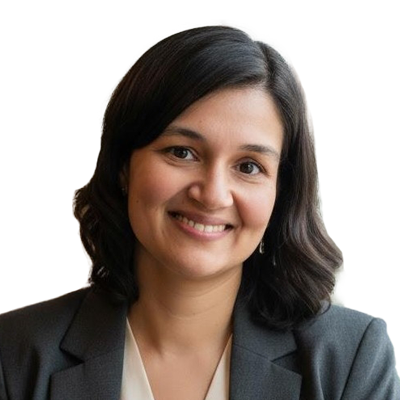
Pooja Mahapatra
Head of Product - Climate & Nature
Fugro
The Netherlands

Rachel Tidmarsh
CEO
Bluesky
UK
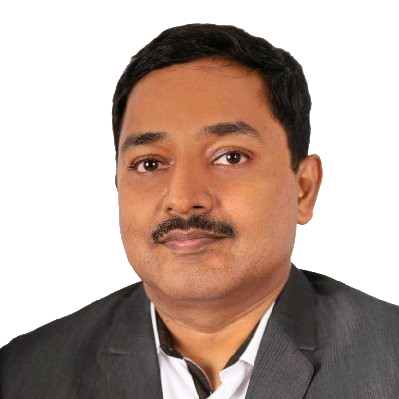
Rajanikanth Muppalla
Head - Geospatial Strategy
Tech Mahindra
India

Ram Reddy
CEO
JSAN Consulting
UK
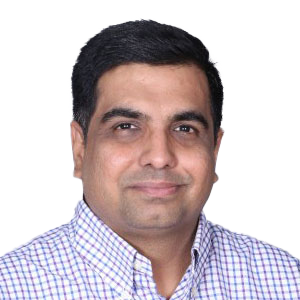
Ramakrishna Mulukutla
AVP Practice Leader GIS/ LBS
Cognizant
India
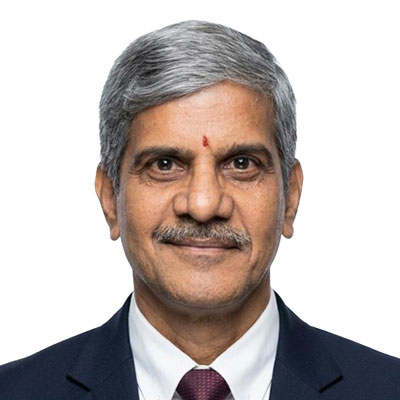
Ramakrishna Subrahmanya Prasad Suddapalli
JSAN Consulting
India
Rami Alouta
Senior Solutions Engineer
Esri
The Netherlands

Ren Uechi
CEO
Solafune, Inc.
Japan
Ren, the CEO of Solafune, Inc., is a tech entrepreneur from Okinawa, Japan. He holds a degree in Applied Mathematics from the University of California, Berkeley, and has worked as a software engineer and data engineer in various startups. Uechi founded Solafune in 2020 with the mission "Hack The Planet" and has since developed satellite data analysis technologies. He has been recognized for his contributions in the healthcare and science category by Forbes, and his company has raised significant funding and achieved notable awards.
Ritika Gussain
Marketing Executive
Vassar Labs
India

Robert Kerby
Director, Business Development - Defence & Intelligence
Planet
England

Roberto Vlad
Key Account Manager DACH
Mapbox
Germany

Rombout Verwimp
CTO
GeoSquare
Belgium

Ryan Bank
Global Managing Director
Vexcel Data Program
Austria

Samuel Alter
Data Scientist
Reveal Global Consulting
USA
Samuel Alter is a Geospatial Data Scientist at Reveal Global Consulting, where he applies his expertise in geospatial data science to support the testing of the latest technologies in the Reveal Labs. His work includes training a change-detection model in PyTorch using Sentinel-2 imagery from Google Earth Engine and developing PyMAAP, a benchmarking and analysis toolkit available on PyPI.
Samuel holds a master's degree in geology from Arizona State University and has prior experience in environmental remediation. His combined background in geology and data science enables him to bridge applied research with practical solutions in geospatial analytics.

Sergey Sukhanov
Managing Director
FlyPix AI
Germany
Shashikant Bagul
Head - Geospatial Regulations & Compliance
Tech Mahindra
India
Shashikant Bagul has over 28+ years of distinguished experience in Geographic Information Systems (GIS) and Information Technology (IT). He has a proven track record of leading and managing high-stakes e-governance and mission-critical projects for the Government of India, as well as key defense and law enforcement agencies, including the Indian Army and Police. His extensive expertise spans the global GIS landscape, where he has successfully overseen complex, multi-national GIS initiatives across diverse sectors.
In his current role as the leader of Regulations, Compliance, and Partnerships at Tech Mahindra, Shashikant plays a vital role in driving the readiness and strategic alignment of GIS teams. His responsibilities include shaping regulatory frameworks, ensuring compliance with industry standards, and fostering strategic partnerships that enable innovative solutions and drive business growth. His leadership and strategic vision continue to contribute significantly to advancing GIS capabilities and industry excellence.

Simon Litvinov
Co-Founder & CEO
StarGate
Luxembourg
Sivakumar Venkatesan
Director, Operations
Cognizant
UK

Stefan Lijst
Business Consultant
IMAGEM
The Netherlands
Stefan is a Business Consultant at IMAGEM, active within the public sector with a focus on water authorities and municipalities. His knowledge and experience lie in providing insight into complex production, operational, and decision-making processes, with the aim of accelerating and improving trade-offs and decision-making in a data-driven, transparent, and integrated manner. He has applied this expertise while working for large international companies across various sectors.
He now leverages this experience to support public sector organizations in addressing complex societal challenges and achieving more efficient and effective ways of working, geared toward future challenges. Modern digital twin and knowledge technologies play an important role in this.
Sughandha Goel
Co-Founder & Chief Business Officer
fivD
India
Sukanta Jena
Chief Executive Officer
Innovantage
India

Tamme van der Wal
Partner
AeroVision BV
The Netherlands
Thijs Briggeman
Solution Consultant
Avineon Tensing
The Netherlands
Vattem Narendra Babu
CEO
iSpatial Techno Solutions (IST)
USA
Vinod Poomalai
Head - Geospatial Product Marketing
TomTom
Vishal Thiruvedula
Vice President, Product
SatSure
India

Vivek Tumpala
Business Manager - Global Telco & Utilities
NeoGeoinfo Technologies
India
Yoann Mira
Solutions Engineer
Novel-T
Switzerland
Yuya Nakamura
CEO
Axelspace
Japan
Academia & Research
.png)
Col Patrick Bolder
Strategic Advisor, Defence and Security
The Hague Centre of Strategic Studies
The Netherlands
Dessislava Petrova Antonova
Research Lead
Gate Institute
Bulgaria

Eka Ardhi
PhD Candidate in Naval Architecture & Marine Engineering
University of Strathclyde
UK

Elena Field
GIS and Web Mapping Specialist
British Antarctic Survey
United Kingdom
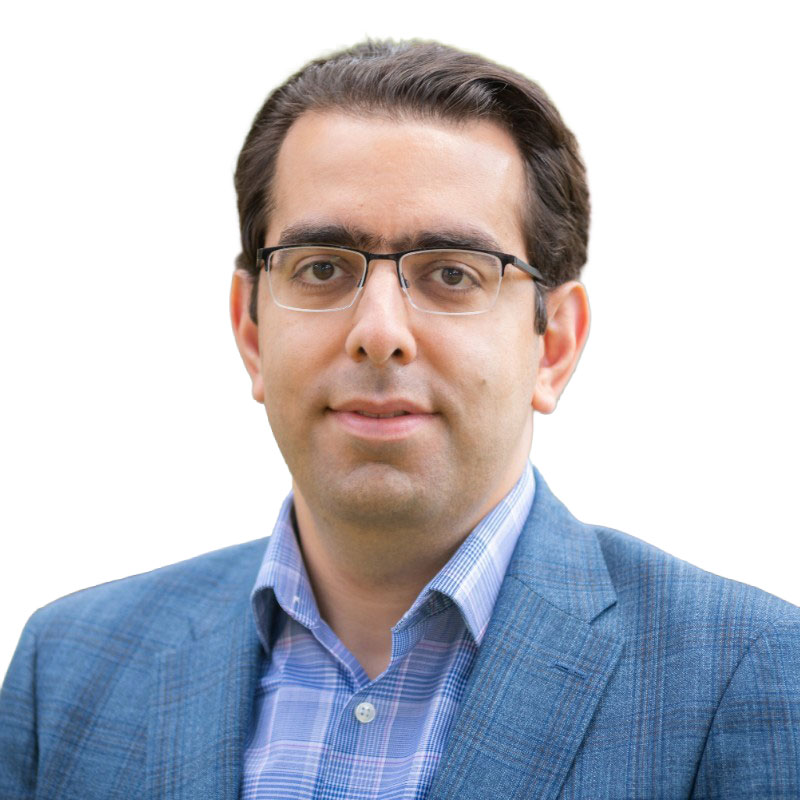
Hamed Alemohammad
Geospatial Director and Professor
Clark University
USA

Hasna AlBlooshi
Instrumentation Specialist I
The National Space Science and Technology Center (NSSTC)
UAE
Hasna AlBlooshi is an engineer in the Payload Team for Arab Satellite 813 at the National Space Science and Technology Center (NSSTC). She is involved in payload operations, testing, and calibration, as well as data processing and analysis. Her work focuses on hyperspectral data and its applications in geospatial fields, including environmental monitoring, land analysis, and resource assessment.

Ivan Bamweyana
Lecturer/ Geospatial Data Science and Earth Observation
Makerere University
Uganda
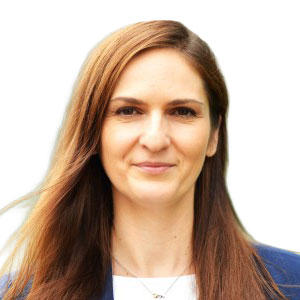
Iwona Kaczmarek
Associate Professor
Uniwersytet Przyrodniczy we Wroctawiu
Poland

Jennifer Marlon
Executive Director
Yale University
USA
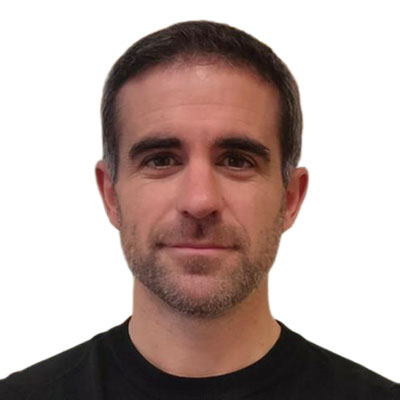
Jesus Maria Garrido Saenz de Tejad
Geospatial Programme Manager
Spanish National Geographic Institute
Spain
Jesus Maria Garrido Saenz de Tejad is a geospatial Programme Manager specializing in nationwide airborne LiDAR and imagery. He leads the Geospatial Acquisition Department at the Spanish National Geographic Institute, overseeing multimillion-euro national datasets and a multidisciplinary technical team. Previously, he managed the Spanish National LiDAR Program (2018-2025), and earlier worked at Fugro delivering airborne LiDAR projects across Europe, the Middle East, and Africa.

John P Wilson
Founder
USC Spatial Sciences Institute
USA
Dr. John P. Wilson is the Founding Director of the Spatial Sciences Institute and a Professor of Architecture, Civil and Environmental Engineering, Computer Science, Population and Public Health Sciences, and Sociology at the University of Southern California. His research focuses on the modeling of human and natural systems and makes extensive use of GIS, spatial analysis, and various forms of environmental modeling. Much of this work is collaborative with the goal of improving our understanding of the factors connecting people, the environment, and their health.

Jon Pye
Director of Data Operations
Ocean Tracking Network
Canada
Kwonho Lee
Professor
Gangneung-Wonju National University
Korea-South

Len Kne
Director - U-Spatial
University of Minnesota
USA
Len Kne brings extensive experience with GIS and Information Technologies in higher education, construction, government, and non-profit organizations to his work at the University of Minnesota. He is looking forward to the day when everyone is thinking spatially.

Mila Koeva
Leader of Digital Twin Geohub
ITC- University of Twente
The Netherlands
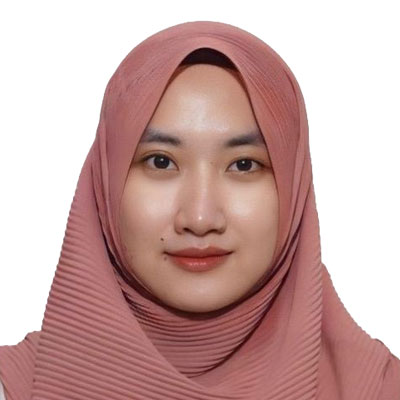
Mukti R Dewi
PhD Candidate in Management Science & Analytics
University of Edinburgh Business School
UK
Mukti R Dewi is a PhD researcher in the Business School at the University of Edinburgh, focusing on property valuation and spatial data analytics. Her research explores the application of automated valuation models (AVMs) and spatial econometric approaches to improve land and property valuation practices, particularly in data-constrained environments. Her work aims to bridge methodological developments in spatial modelling and their practical applications in property valuation and land administration.
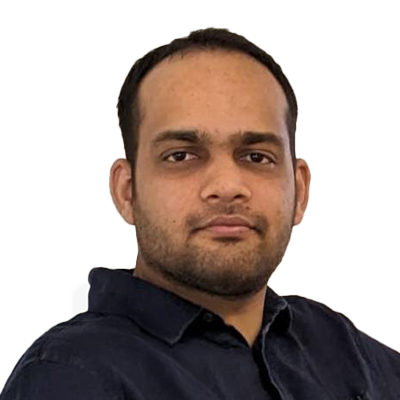
Nirdesh Kumar Sharma
Founder & CEO
EarthSense Labs Pvt. Ltd
India
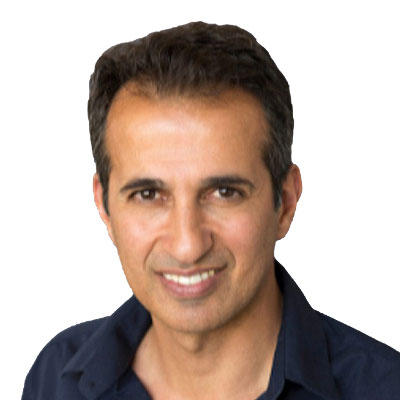
Ofer Amram
Associate Professor
Washington State University
USA
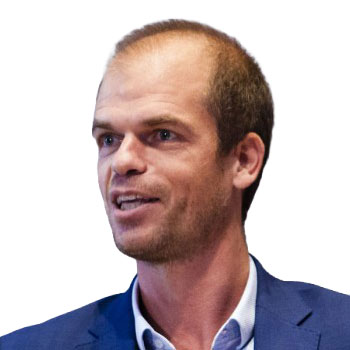
Peter Hellinckx
Professor
University of Antwerp
Belgium

Roshan Srivastava
Project Director
IIT Tirupati Navavishkar I-Hub Foundation
India

Sebastien Giordano
Lead R&D and Innovation Engineer
IGN
France
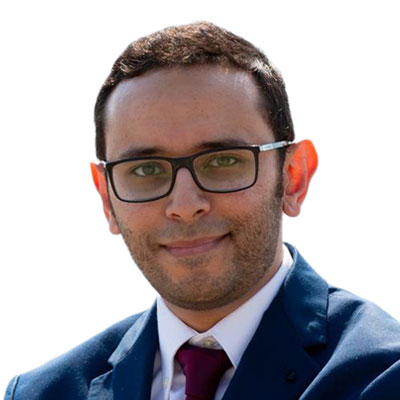
Suliman Gargoum
Professor of Civil Engineering (GeoAI) & Cofounder
Reflektar Tech
Canada
V. S. Subrahmanian
Walter P. Murphy Professor of Computer Science; Buffet Faculty Fellow
Northwestern University
USA
User Organisations - Business Enterprises
Abdourahmane Tahir
Head of Digital Services
Applus
Saudi Arabia
Adriano Meta
CEO
Metasensing
Italy

Adrien Friesen
Product Manager
ARUP
UK

Ahmed AbouAlfa
Associate Director - Digital Innovations and Initiatives
Diriyah Company
Saudi Arabia

Alejandro Jimenez Aguado
BIM & GIS specialist
Typsa
Spain
Amr Raafat
Chief Innovation Officer
Windover Construction
USA
Anil Rawal
MD & CEO
IntelliSmart Infrastructure Pvt. Ltd.
India
Anouk van Otterlo
BIM & Linked Data Consultant
Based
The Netherlands

Atakan Guven
Group Director Urban Analytics
ERA-co
UK

Bart Brink
Senior Program Manager
TKI Bouw en Techniek
The Netherlands

Brian
Team lead - Research
Sogelink
The Netherlands

Brian Blankespoor
Senior Geographer
World Bank
USA
Buba Bagdavadze
Business Partner
BIMunify
Georgia

Cedric Marchand
GIS Developer
Egis
France
Cheryl Wheeler
GIS Manager
STRABAG
UK

Dani Daas
Managing Partner
CBL Holding
Saudi Arabia
Daniel Levelt
Founder-Director
SmartCane
The Netherlands

Dennis Dokter
Smart Cities Lead, Manager Data and Insights
Nexus Leeds
UK

Dimi Pironkova
GIS Manager
Skanska
UK
Dmitri Garbuzenko
Head of Innovation
Endover
Estonia
Elliot Hartley
Managing Director
GD3D
UK

Fran Martin Rivas
Product Manager
earthpulse.ai
Spain

Gareth Barker
Senior Geologist
EKFB
UK

Guillermo Corral Comeras
Urban Design Lead
MCORM Architecture & Urban Design
Spain
Harry van Zeijts
Geo Data Analyst
TenneT
The Netherlands

Hrishikesh Ballal
Founder
Geodesignhub
Ireland
Ihwan Rafina
Founder & Director
MosaiX BV
The Netherlands
Johannes Weigel
GIS Expert
TenneT
Germany
Joost de Bruijn
Director
Goudappel
The Netherlands
Joost studied human geography in Utrecht. After 10 years at the Ministry of Housing, Spatial Planning and the Environment (VROM), where he focused on monitoring spatial planning policy during the Vinex period and the Fifth Policy Document on Spatial Planning, he joined Goudappel on 1 January 2000.
Within Goudappel, he served as team manager and later, as co-founder, director of Dat.mobility, a Goudappel subsidiary. Since late 2024, he has stepped away from management responsibilities to focus fully on innovation and the market. He does this driven by a desire to improve and accelerate urban planning and decision-making through more data-driven working methods and better tools.
Relevant additional roles: since 2022, Vice-Chair of GeoBusiness, and one of the initiators of the DMI Ecosystem (and, since 2025, a member of its Agenda Committee).

Jorden Schuit
Global information manager Mobility & Infrastructure
Royal Haskoning
The Netherlands

Karina Amalbert
Geospatial Project Manager
Latinos in Heritage Conservation
USA

Keti Kapanadze
Founder & CEO
BIMUNIFY
Georgia

Kirk M Stueve, PhD
Chief Agronomist
Ceres.ai
USA

Leon Wijnands
Head of Sustainability
ING Nederland
The Netherlands
Lex Ransijn
CEO
VDC Base
The Netherlands
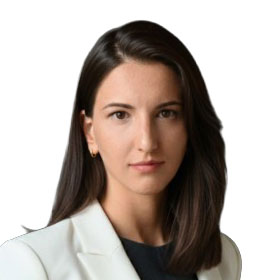
Mariam Shai
Design Manager
CBL Holding
Saudi Arabia
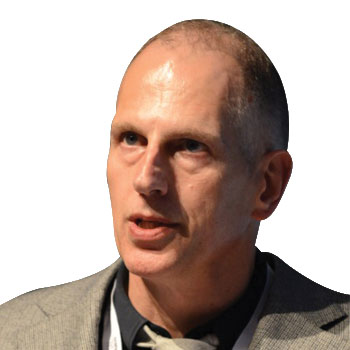
Mark Noort
Owner
HCP International
The Netherlands
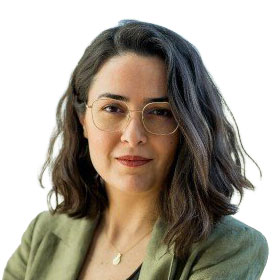
Melda Salhab
AI/ML Senior
Uber
The Netherlands
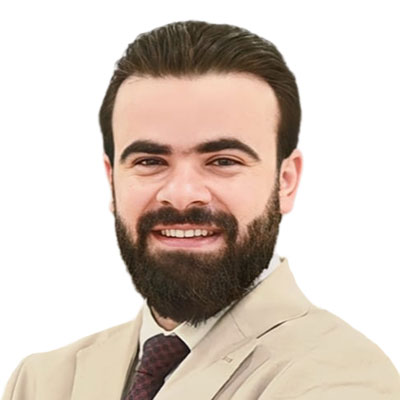
Omar Habib
Co-Founder & CTO
Wii Group
UK
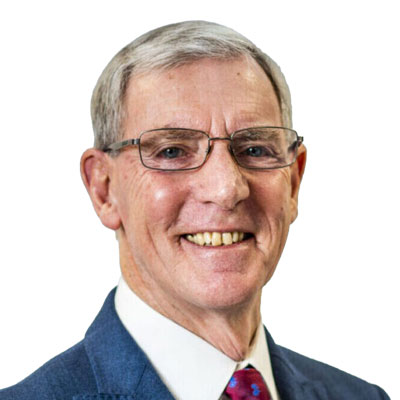
Phil Cottle
Founder and MD
ForestRe Ltd
UK
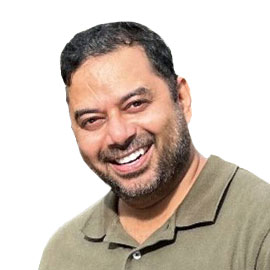
Pratap Sinha
Advisor
GIZ
India

Priyanka Sharma
Senior Product Manager, Geo Intelligence
Booking.com
The Netherlands

Rafaela Almeida De Carvalho
GIS Coordinator
Voltalia SA
Brazil
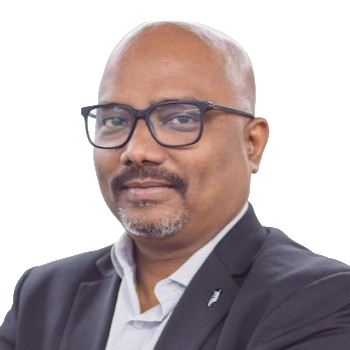
Ramesh Kajrolkar
COO
AI Infrasolutions
The Netherlands
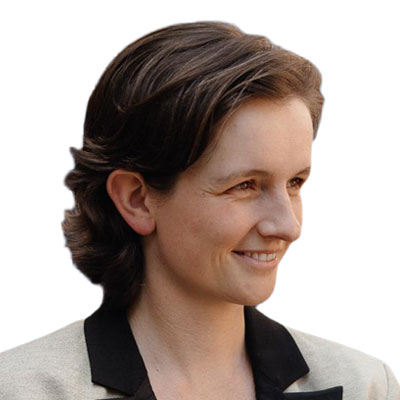
Rosalie van der Maas
Co-Founder & CEO
Ellipsis Drive
The Netherlands
Rosalie van der Maas MSc is co-founder and CEO of Ellipsis Drive. Ellipsis Drive is a cloud-native data management solution that gives users seamless access to any type of geodata from all relevant workflows. She has a background in Earth Sciences, Environmental Sciences, International Politics, International Development, and Innovation. Before starting her company in 2019, Rosalie worked as a program maker on the theme of Big Data, Technology, and Society at Pakhuis de Zwijger and at the Ministry of Foreign Affairs' consulate in Chicago.
Samhita
Founding CEO
Resilience AI
USA

Shervin Yousefzadeh
Head of Construction
GS1 UK
UK

Sonali Mishra
Chief of Staff & Head of Partnerships
Resilience AI
India
Suvi-Tuulia Haakana
GIS & Cybersecurity Expert
Fortum
Finland

Takumi Hashizume
Managing Director, Head of Space Innovation Office, Sustainable Business Division
MUFG Bank Ltd.
Japan
Tareq Latayfeh
Regional Director - Infrastructure
KEO
Saudi Arabia

Vibhor Jain
Co-Founder
AeroDome Technologies Private Limited

Vicki Reynolds
Technical Director - Digital Estates
ONE Creative environments
UK

Weiyi Ding
Senior (geo)AI/Data Scientist
Gemeente Amsterdam
The Netherlands

Wouter Giesen
Co-owner of TripService - Sales and Marketing
TripService
The Netherlands
Yuming Zhi
Principal Analyst
ForestRe Ltd.
UK
User Organisations - Government
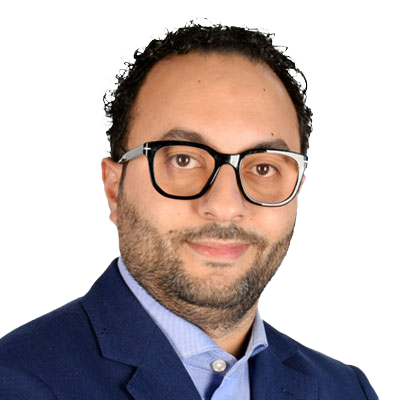
Abdelrahman AbouHadid
Digital Delivery Manager
Diriyah Gate Development Authority
UAE
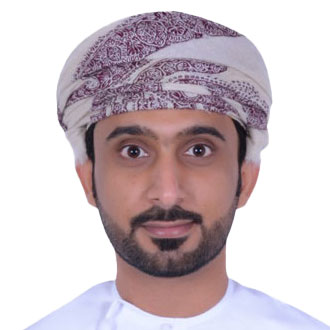
Ahmed Al Fazari
Senior GIS Specialist
Public Authority for Special Economic Zones and Free Zones
Oman

Alexander Worp
Asset Information Manager
Waternet
The Netherlands
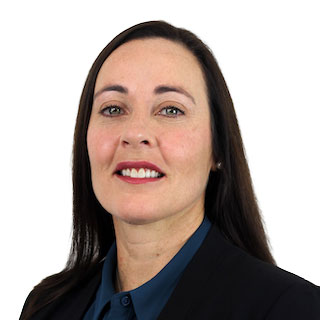
Allison Rose
Chief of Space Division
Geoscience
Australia
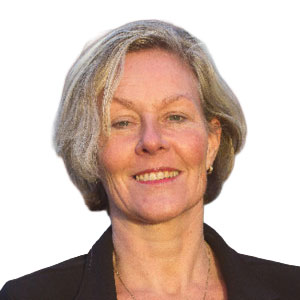
Astrid Scheffer
Senior Expert Cables and Pipeline
Kadaster
The Netherlands
Astrid Scheffer is a advisor to the KLIC service (Cables Pipelines Information Center) at the Dutch Land Registry, for the prevention of excavation damage to underground cables and pipelines. Her focus is to improve and make our services and supplies for providing digital cable and pipeline information accessible to identified users for limited excavation areas (WCAG proof).
Becci Anderson
Acting Director, National Geospatial Program
United States Geological Survey (USGS)
USA

Bert van der Heide
Advisor
The Netherlands Enterprise Agency (RVO)
The Netherlands

Bibian Nyaeru Robert
Geospatial Consultant
UNFPA, East and Southern Africa Regional Office (ESARO)
Kenya
Bjorn Backeberg
Senior Research Scientist
Deltares

Bonnie Samuyiwa
Senior Policy Advisor - PNT
UK DSIT
Boonyarit Keawaram
Survey Engineer, Head of Mae Moh Mine Survey Section
Electricity Generating Authority of Thailand (EGAT)
Thailand
Capt Ben van Scherpenzeel
Chairman
International Taskforce Port Call Optimization
The Netherlands
Caspar de Jonge
Program Manager
Dutch Metropolitan Innovations (DMI) Ecosystem
The Netherlands
Caspar de Jonge is Program Manager of the DMI ecosystem, on behalf of the Dutch Ministry of Infrastructure and Water Management. With a background in Smart Mobility and Intelligent Transport Systems, he has led major public-private innovation programmes focused on the use of data and information technology to improve understanding and steering capabilities in urban systems and complex city challenges.
His work centres on tackling complex societal challenges - including housing, energy and climate - through an integrated, system-level approach. He connects domains, stakeholders and scales to enable coherent strategies and more effective interventions.
Within the DMI ecosystem - a partnership of over 140 organizations - he drives the development of trusted data infrastructures and interoperability, enabling rapid scaling and shared learning across organizations, sectors and regions.

Christian Schlosser
Head of Unit
German Federal Ministry of Transport (BMV)
Germany
Col (Dr) Anupam Tiwari
Indian Army
Col Harinderjit Singh
Indian Army
Crista Huisman
Deputy Head, Space Division
European External Action Service
Brussels

Darcee Killpack
Deputy Associate Director for Core Science Systems
United States Geological Survey (USGS)
USA

Defu Wu
Principal Geomatics Manager, Geodesy and National Mapping, Geospatial & Survey Division
Singapore Land Authority
Mr Wu Defu is a Principal Geomatics Manager at the Singapore Land Authority (SLA), leading advanced GeoAI initiatives to enhance Singapore's National 3D Mapping capabilities, including indoor mapping, in support of sustainable development and digital twin strategies.
He plays a pivotal role in Singapore's 3D cadastre initiative, piloting 3D digital strata submissions to enable integrated and accurate land administration. Over the years, he has also contributed to the Digital Underground programme, 3D geological information management, and BIM development for Singapore's Underground Master Plan, translating geospatial innovation into tangible national infrastructure outcomes.

Dimitri Sarafinof
Defense Policy Officer
Institut national de l'information geéographique et forestieére (IGN)
France
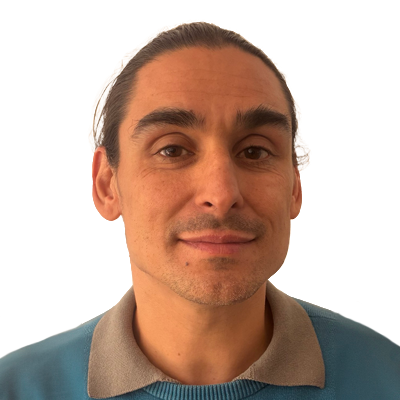
Elwyn van Zanten
Air Quality Data manager
Municipality of Amsterdam
The Netherlands
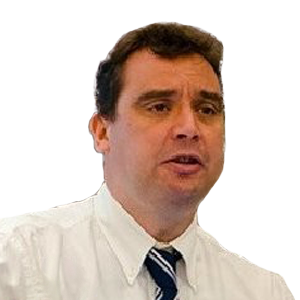
Gordon Campbell
Head of the Enterprise Section
European Space Agency
Italy

Greg van Gaans
Director - Geospatial Information Services Land Administration
Department for Housing and Urban Development
Australia
Greg van Gaans is the Director of Geospatial Information Services at the South Australian Department for Housing and Urban Development, where he leads the state's cadastral, land administration and spatial platform capabilities within the Land Administration Division.
A geospatial and cloud specialist, Greg has built his career across private industry, academia and government - including a lectureship at the University of Adelaide and senior technology leadership roles such as Manager of Enterprise Platforms at the South Australian Department for Infrastructure and Transport. Throughout, he has focused on translating complex spatial and data capabilities into platforms that are usable, reliable and valuable to the people who depend on authoritative information about land, planning and growth.
Greg has championed a cloud-native geospatial approach to modernising government mapping and land information services, pioneering architectures built on open formats and technologies such as GeoParquet, PMTiles, DuckDB, MapLibre and vector tile pipelines on AWS cloud to replace traditional, hardware-bound GIS infrastructure. Under his leadership, South Australia has delivered nationally significant public platforms including the South Australian Property and Planning Atlas (SAPPA), the PlanSA Land Supply Dashboard, and Australia's first fully digital, interactive Regional Planning Portal.
His contribution to the sector has been recognised with the APSEA SA Professional of the Year award, and his work has contributed to international recognition at the Geospatial World Excellence Awards. Greg is a passionate advocate for open, cloud-native geospatial infrastructure and the role it can play in making government land and planning information more transparent, accessible and decision-ready.

Guillaume Legare-Couture
Physical Scientist
Natural Resources Canada
Canada
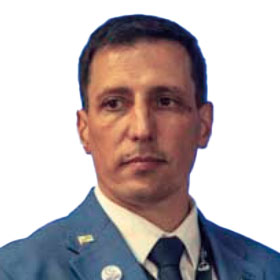
Gustavo Caubarrere
President -SIRGAS
Director, Military Geographic Institute of Uruguay (IGM)
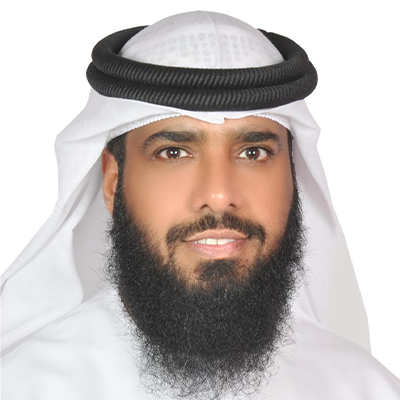
H.E. Dr. Ahmed Almurshidi
Director General
Fujairah GIS Center
UAE

Hannah Walters
GIS Analyst
Denver Water
USA
Ian Spencer
Director, Defence Geographic Centre, Cyber & Specialist Operations Command
UK MOD
England
Indah Nurcahyani
BIM & Digitalization Engineer
PT. Waskita Karya (Persero), Tbk
Indonesia
James CK TAN
Director - Smart City Technology
Gov Tech
Singapore

Jeffrey Lenard
Firefighter/EMT
Special Operations Division - Fireboat Company Master Public Safety Diver
District of Columbia - USA

Johannes Van Geertsom
Coordinator - International
National Geographic Institute
Belgium
Johannes Van Geertsom is Coordinator for International Relations at the National Geographic Institute of Belgium (NGI), working at the intersection of geospatial information, policy, and international cooperation. In this capacity, he supports the NGI in its mandate to represent Belgium in international geospatial fora and contributes to its engagement in global geospatial governance. He facilitates cooperation with European and international partners and helps position the NGI as a geobroker, connecting data, stakeholders, and decision-making processes across institutional and thematic boundaries. Through the NGI, he actively shapes and advances Belgium's participation in United Nations geospatial processes, including UN-GGIM, as well as in key multilateral frameworks such as the UN Integrated Geospatial Information Framework (UN-IGIF) and the EU Directive INSPIRE. His work focuses on strengthening geospatial ecosystems, advancing governance approaches, and promoting the societal value of geospatial data for addressing complex challenges.
Joshua Campbell
Senior Engineer (IMINT/GeoINT)
NATO NCIA
The Netherlands
Julien Hofer
Urban Data Analytics
Agency for Geoinformation and Surveying
Germany

Katie Grillo
GIS Web Technology Specialist
Cambridge IT Department
USA

Kimberly Mantey
Director, National Geospatial Technical Operations Center
United States Geological Survey (USGS)
USA
Kimberly Mantey is the Director of the National Geospatial Technical Operations Center (NGTOC) at the U.S. Geological Survey (USGS). The NGTOC serves as the operational hub for the Nation's topographic mapping programs, including the 3D Elevation Program (3DEP), 3D Hydrography Program (3DHP) and US Topographic Mapping Program. Ms. Mantey has been employed with the USGS since 2010 where she began as a student temporary employee. Her background is in remote sensing and geospatial project management, with specialized expertise in lidar and IFSAR applications.
Ms. Mantey holds a Bachelor of the Arts degree in Geography from the University of Colorado Denver, a master's certificate in Geographic Information Systems from the University of Colorado Denver, and a certificate in Engineering Graphics Design from the Red Rocks Community College. Ms. Mantey is energetic and passionate about providing high quality geospatial and mapping data to the public and is grateful for her role as NGTOC Director to support the USGS mission.
Lim Wee Beng
Principal Manager
URA
Singapore
Lorant Czaran
Scientific Affairs Officer, Chief UN-SPIDER
UNOOSA
Austria
Lt Col Amandeep Singh
Indian Army
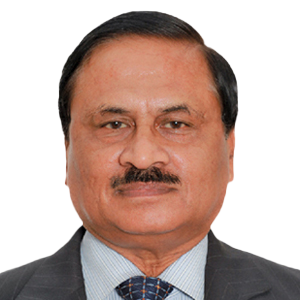
Lt Gen AKS Chandele, PVSM, AVSM, PhD (Retd)
President - Defence
Internal Security & Public Safety
India
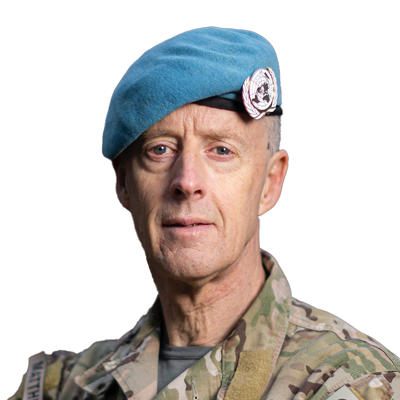
Lt Gen Cornelis Johannes (Kees) Matthijssen (Retd)
Former UN Commander
MINUSMA, Mali
The Netherlands
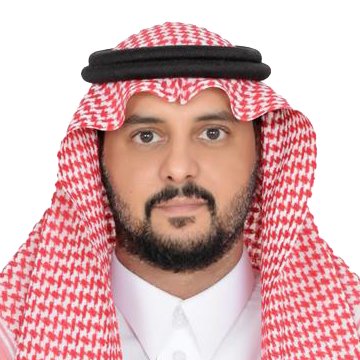
Majdi Alharb
Executive Director - International Cooperation
General Authority for Survey and Geospatial Information (GEOSA)

Mani Dhingra
Smart City Digital Twin Manager
Dublin City Council
Ireland

Marcus Rademaker
Project Manager
Port of Rotterdam
The Netherlands

Martin Cauchi Inglott
Project Director
EU Crimario
Belgium
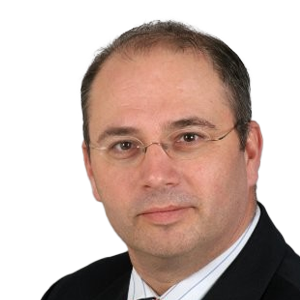
Martin Peersmann
Program Manager Keyregistry of the Subsurface of the Netherlands
Ministry of the Interior and Kingdom Relations
The Netherlands
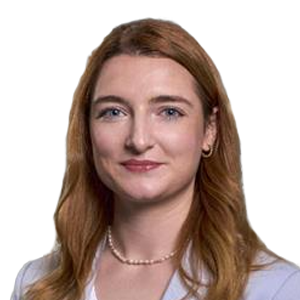
Mihaela Sorostinean
Deputy Head, GEOINT & Space Services Section
NATO Headquarters
Belgium
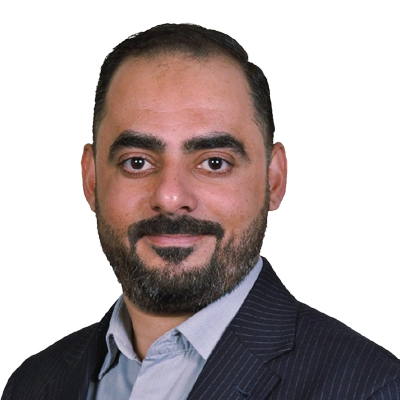
Mohamad Alnasser
Geospatial Engineer
Greater Stockholm Geodata Council
Sweden

Nokokure Ngutjinazo
GIS specialist- Land Administration
Municipality of Dordrecht
The Netherlands
Nokokure is a GIS professional with a background in land administration. She holds a Bachelor's degree in Land Administration from the Namibia University of Science and Technology and an MSc in Geographic Information Science and Earth Observation from ITC, University of Twente.
She has professional experience in local government in both Namibia and the Netherlands, working with geospatial data to support land administration and spatial planning processes. She currently works as a GIS Specialist at the Municipality of Dordrecht, where she contributes to the integration and application of geospatial information across different areas within the municipality.
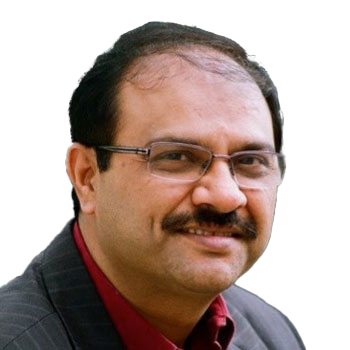
Raj Kumar Khatri, IAS
Former Additional Chief Secretary
Government. of Karnataka
India
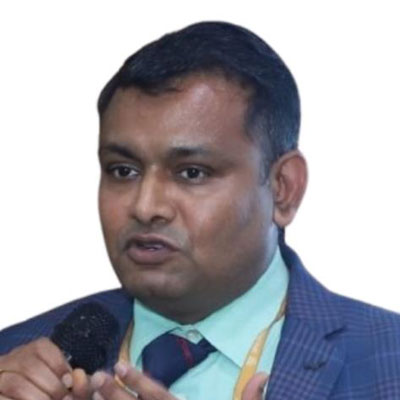
Rajesh Asati
Deputy Secretary - (PPP and Special Initiatives)
Ministry of Ports, Shipping and Waterways
Government of India
India
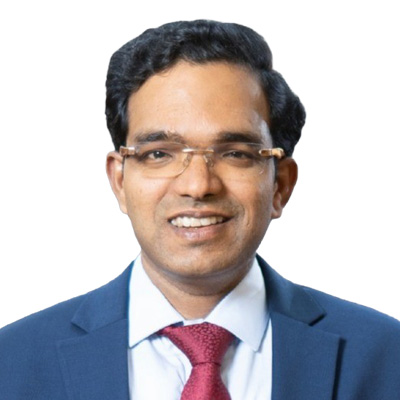
Ram Prasath Manohar
Chairman
Bangalore Water Supply and Sewerage Board
India
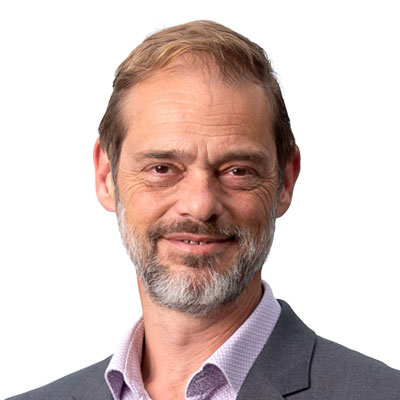
Roland van der Heijden
Chief Citiverse Officer
Municipality of Rotterdam
The Netherlands
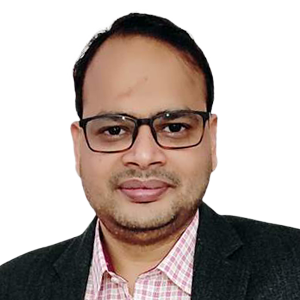
Sarvadanand Barnwal
Director (LR)
Department of Land Resources (DoLR), Ministry of Rural Development, Government of India
India
He currently handles policy-related matters concerning property registration and land acquisition in India, and is also involved in the World Bank's B-READY framework on the Business Location topic.
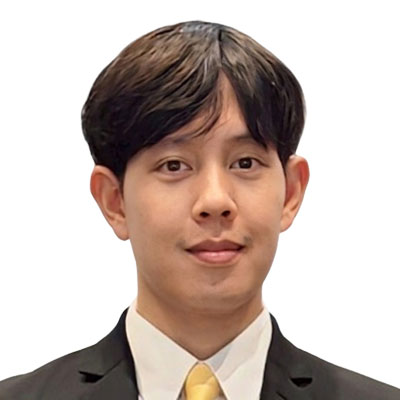
Thanatepol Boonprakob
Survey Engineer
Electricity Generating Authority of Thailand (EGAT)
Thailand

Thomas Chenworth
Deputy Fire Chief of Operations
District of Columbia Fire and EMS Department
USA

Ties Dammers
Manager of Public Networks, Infrastructure Directorate
Dutch authority for Digital Infrastructure, Ministry of Economic Affairs and Climate Policy
The Netherlands
Vice Admiral Ben Bekkering (Retd)
Former Deputy Head
Royal Netherlands Navy
The Netherlands

Wei Wei Teng
Deputy Director
Smart City Technology Division, GovTech
Singapore

Wejdan Abdullah Asiri
Manager of Regulation and Policy, The Executive Department of Legal Affairs and Policy
General Authority for Survey and Geospatial Information (GEOSA)
Saudi Arabia
Wejdan Abdullah Asiri is a non-practicing Saudi lawyer, and Head of Regulation and Policy at the General Authority for Survey and Geospatial Information (GEOSA). She leads the development of national regulatory frameworks shaping the Kingdom�s geospatial ecosystem, with a focus on data governance, privacy, and the integration of emerging technologies.
Holding an LL.M. in Law from the University of Reading, she brings a multidisciplinary perspective that bridges law, policy, and innovation, contributing to regulatory models that enable growth while safeguarding sovereign data interests.
International & Development Organisations/Multilateral Agencies/Professional Societies/Non-profit organisations
Alejandro Guinea
President
EUROGI

Aman Chaudhary
Geospatial Solutions Developer
Global Water Informatics, The World Bank
USA

Angela Baker
Head of Operations & Data
Eurogeographics
England
Catherine Williams
Director - Foundation GEOINT
Foundation GEOINT
Chiranjit Guha
General Manager
FES
India
Christophe Yvetot
UNIDO Representative to the EU, EIB, OACPS, Belgium and Luxembourg/Head of UNIDO Brussels Office
UNIDO
Belgium

Dalia Marín-Gálvez
Director, Sibila Project
ANID
Chile

Dan Little
Events and Marketing Manager
buildingSMART International
UK

Edward Hixson
Senior GIS Analyst
Skanska
UK
Elisabeth Lictevout
Director
IGRAC
The Netherlands

Emmanuel Ayodele Jolaiya
Founder & CEO, Spatialnode Inc. | Geospatial Engineer
Spatialnode Inc.; United Nations Global Service Centre (UNGSC)
Spain

Erik Holmlund
Executive Director
Alberta Data Partnerships Ltd.
Erik Holmlund is the Executive Director of Alberta Data Partnerships (ADP), a not-for-profit, public-private-partnership that focuses on data governance and access. Formed in 1996, ADP is responsible for geospatial mapping and data distribution within the Province of Alberta through partnerships with the private sector firms: Altalis, MNC and AbaData. ADP is a stakeholder-driven company with a Board of Directors consisting of Government, Municipalities and Industry. Erik is also the program manager for the Open Data Areas Alberta initiative that was established to provide consistent, accessible, no cost geospatial datasets in defined locations to support innovation and commercialization in areas such as land use planning and environmental monitoring.
Prior to his work at ADP, Erik held various roles with geomatics and technology firms with projects in Canada, Africa and Papua New Guinea. He has a Bachelor's Degree in Environment and Conservation Sciences from the U of A and a Master's Degree in Geomatics Engineering from UNB.
Evandro Alfieri
Quality & Delivery Director
buildingSMART International
The Netherlands

Francesca Piatto
Project Officer
European Association of Remote Sensing Companies (EARSC)
Belgium
Héctor Ochoa Ortiz
Board Director
OpenStreetMap Foundation
Héctor has been a volunteer OpenStreetMap Mapper since 2011. He has been serving on the OpenStreetMap Foundation Board since October 2024, currently as the Deputy Secretary, the Chair of the Personnel Committee, and the Board Liaison to the Operations Working Group. He is also pursuing a Ph.D. studying how companies collaborate in the OpenStreetMap Ecosystem as part of the ODECO research project.
Hyginus Gene Leon
Executive Director, Nature Bank
PVBLIC Foundation
Barbados
Hyginus Gene Leon is a Saint Lucian national and an International Development advocate for Small Island Developing States (SIDS). He focuses on access to adequate and affordable finance to achieve resilient prosperity in those countries. He is currently the Executive Director of the Development Bank for Resilient Prosperity (DBRP), a new development bank for SIDS. In 2024, Dr Leon was appointed Ambassador-at-Large for the Government of Saint Lucia, focusing on development finance and SIDS-related issues.
Dr Leon served as the sixth President of the Caribbean Development Bank (CDB), the regional development finance institution based in Barbados, where he championed a systems approach to economic development based on the notion of social justice. With over 30 years of experience in economic development, Dr. Leon has directed macroeconomic and financial policy support to government authorities in Africa, the Middle East, Central Asia, and the Caribbean. A former Associate Professor, Dr. Leon worked with the International Monetary Fund (IMF) for more than 24 years, functioning as Mission Chief in parts of Africa, The Bahamas, and several Gulf States, as well as IMF Senior Resident Representative in Jamaica and Nigeria. Dr. Leon also served as Director of Research at the Central Bank of Barbados and was Country Economist at CDB.
Dr. Leon's academic background is a testament to his expertise and credibility in the field of economics. He holds a PhD in Economics from the University of Southampton in the United Kingdom (UK) and a Bachelor of Science Degree (B.Sc.) in Economics from the University of London.

Jacqueline Meerkerk
Director
Geobusiness Nederland
The Netherlands
Jacqueline Meerkerk is Director of GeoBusiness Netherlands (the industry association for companies in geo-information sector) since 2025, where she is committed to the development and positioning of geo-information/technology in the Netherlands, with the aim of accelerating solutions to societal challenges. Her focus is on innovation, digitalization, and collaboration.
She studied Geodesy at Delft University of Technology. Public-private collaboration is a recurring theme.Through her own company, she has served, among other roles, as a project initiator and director of digiGO for digital collaboration in the built environment, as well as an initiator of GeoSamen.
Previously, she was Program Director of the innovation program Ruimte voor Geo-Informatie and worked as a consultant at TwynstraGudde Management Consultants, Antea Group, and the Municipality of Leiden.

Jara Villanueva
Lead of the Centre of Sustainability and Resilience
European Space Policy Institute (ESPI)
Austria

Jelle de Jong
Executive director
WWF-Netherlands
The Netherlands
Juraj Majcin
Policy Analyst
European Policy Centre
Brussels
Lena Halounova
President
International Society for Photogrammetry and Remote Sensing (ISPRS)
Czech Republic

Michael Zinkanell-Suss, M.A.
Director
Austrian Institute For European and Security Policy
Austria
Peter Rabley
CEO
Open Geospatial Consortium (OGC)
USA

Said Abri
Honorary Treasurer General
AFLAG
Said Abdullah Abri, ST, MT is a geospatial leader and entrepreneur driving innovation at the intersection of land administration, data infrastructure, and emerging technologies. With academic foundations in geodesy, geomatics, and geophysics from Institut Teknologi Bandung (ITB), he has led complex, large-scale mapping and geophysical survey initiatives across Southeast Asia, including national-scale airborne and subsurface data acquisition programs.
As former Director of PT Karvak Nusa Geomatika, Said spearheaded strategic projects in Timor-Leste, overseeing LiDAR, photogrammetry, and multi-sensor geophysical operations supporting natural resource management and infrastructure development. He currently serves as CEO of PT Tirta Bumi Manunggal, while also building a technology startup focused on applying Digital Twin and Artificial Intelligence to transform the survey and geospatial industry.
An active contributor to the global geospatial community, Said holds leadership roles within the Indonesian Surveyors Association and the ASEAN Federation of Land Surveying and Geomatics. His work is centered on developing trusted, interoperable geospatial ecosystems-bridging cadastre, land registry, valuation, and spatial planning.
At the Geospatial Knowledge Infrastructure (GKI) Summit, he brings a forward-looking perspective on how Digital Twin and AI can enable a trusted national land stack-enhancing data integration, reliability, and decision-making for future-ready land governance systems.

Stephen Keppel
President
PVBLIC Foundation
USA

Tom Peterken
Data Scientist
Ordnance Survey
UK
Vincent Brison
Join Office in Space Navigation
European Commission
Space, Hydrography, Geospatial Agencies and National Mapping Agency
Agendra Kumar
Managing Director
Esri India
India
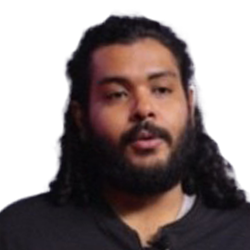
Anurag Velury
Head Partnerships
TakeMe2Space
India
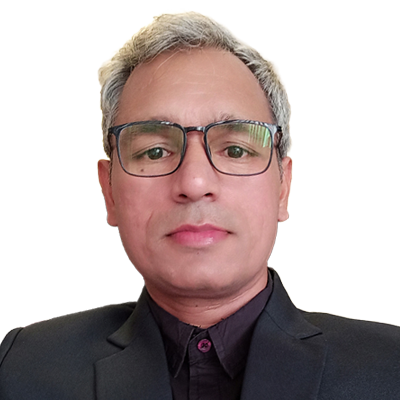
Chandra Prakash Singh
Deputy Director, Department of Space, Government of India
IN-SPACe
India
Dr. Chandra Prakash Singh, has more than 24 years of experience in the area of Earth Observation (EO) and Geospatial Applications in various capacities at ISRO and geospatial industry. He is M.Tech. Remote-Sensing from BIT, Mesra, Ranchi. Presently he is working as Deputy Director in Technical Directorate of IN-SPACe. Before his deputation to IN-SPACe, he was associated with Earth & Planetary Sciences and Applications Area (EPSA) of SAC-ISRO, Ahmedabad as Scientist/Engineer-SG. He has contributed to various prestigious projects related to satellite remote sensing applications in the field of environment, forestry, biodiversity, alpine ecosystem, forest fire, forest phenology, horticulture and DSS. He has guided many STC & RESPOND projects of ISRO to academia as focal point and >40 students for their academic pursuits. He has to his credit >180 publications. He has strong ties with academia and industries through his working experience and engagements with professional societies (ISG, ISRS, INCA, IMS, ILS, ASI, ISCA, ISSE, IPSA, OSI). He has represented India in various international forums including Scientific Expedition to Antarctica (2019-20). He is recipient of prestigious P. R. Pisharoty Memorial Award from ISRS and President's appreciation medal from ISG. He is specialized in working with all types of EO systems and geospatial applications for the benefit of People and Planet.
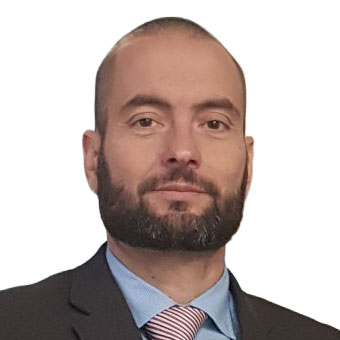
Emilio López Romero
Director of the O. A. National Center, Geographic Information
Spain
Emilio López, Computer Engineer from the University of Málaga, member of the Senior Corps of Information Systems and Technologies of the General State Administration. He is currently Director of the Autonomous Agency National Center for Geographic Information and Chairman of the Board of Directors of the Geographic Information Infrastructure of Spain. He is also a member of the Governing Council of State Ports, the Board of Directors of EuroGeographics, and a member of the INSPIRE Committee of the European Commission and representative of Spain at the Pan American Institute of Geography and History.
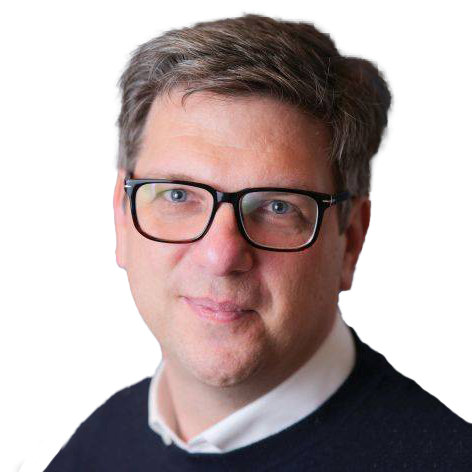
Florian Twaroch
Strategy and Governance
Federal Office of Metrology and Surveying
Austria
Hannu Koivula
Director - National Land Survey
Geodesy
Finland

Heli Laaksonen
Director, Core Spatial Data Services
National Land Survey
Finland
James Norris
Head of International Affairs
Ordnance Survey
UK
James Norris is Head of International Affairs at Ordnance Survey where he works to promote the vital role that geography and geospatial data has in transforming economies, sustaining the environment and using location insights for positive impacts.
James is a Fellow of the Royal Geographic Society and is a Chartered Geographer. He joined Ordnance Survey in 2008 and has a variety of roles including corporate governance, domestic policy analysis, international policy and international relations.
James currently leads OS's International Affairs activities. This includes developing, maintaining and enhancing bilateral relationships between OS and other National Mapping Agencies, representation and leadership in intergovernmental forums such as the UN and the United Nations Committee of Experts on Global Geospatial Information Management (UN-GGIM). He also currently holds a leadership position within the UN-GGIM Regional Committee for Europe.
Throughout his career, James has been an advocate for early career professionals and DEI initiatives across all aspects of his work.

Jerome URBAIN
Head of Products
GeoPostcodes
Belgium

Linda ter Heerdt
Senior Strategy Advisor
Kadaster
The Netherlands
Linda ter Heerdt is a Senior Strategy Advisor at the Netherlands cadastre, land registry and mapping agency (Kadaster). As chair of the Innovation Board, she plays a key role in shaping the organization's innovation agenda. Her work focuses on the intersection of innovation, strategic foresight and digital transformation to support future-readiness in the public sector.

Maher Abdel Karim
GIS Consultant & Program Manager
The Public Authority for Civil Information (PACI)
Kuwait
Maher Abdel Karim is a Senior GIS and Geospatial Intelligence Leader with over 20 years of experience in advancing national-scale geospatial initiatives. He currently serves at the Public Authority for Civil Information (PACI) in Kuwait, where he leads strategic programs integrating GIS, Big Data, and Artificial Intelligence to enhance national geospatial services and digital transformation.
Maher has extensive experience across government, private consultancy, and ESRI distributors, and has contributed to international development projects in Jordan, Yemen, Egypt, and Syria under donor-funded programs. His work focuses on leveraging geospatial technologies to support data-driven decision-making and sustainable development.
At PACI, he has led the implementation of innovative platforms and datasets, including Kuwait Finder, LiDAR mapping, and StreetView programs, in addition to national drone mapping and mobile LiDAR initiatives. His current interests include applying machine learning and deep learning techniques to improve geospatial data quality, automate feature extraction, and analyze photogrammetric distortions in urban environments.
Maher holds an MSc in Geographic Information Systems (GIS) and several internationally recognized certifications, including GISP, PMI-PMP, PMI-RMP, PMI-PBA, and the Esri Enterprise System Design Associate credential.

Markus Jobst
CIO
Federal Office of Metrology and Surveying
Austria
Markus Jobst is Chief Information Officer (CIO) at the Austrian Federal Office of Metrology and Surveying (BEV). He holds a degree in surveying from the Vienna University of Technology and a PhD in cartography, where his research focused on 3D cartographic communication. His academic work includes research positions at the Vienna University of Technology and the Hasso Plattner Institute at the University of Potsdam, where he contributed to developments in 3D geo-visualization and geospatial standards within the Open Geospatial Consortium.
Since joining BEV in 2009, he has played a key role in coordinating the implementation of European initiatives such as INSPIRE Directive and open data policies. As CIO since 2022, he is responsible for the strategic planning and management of the organization's IT landscape. His research and teaching focus on service-oriented architectures, geospatial knowledge infrastructures, modern cartography, and geo-communication, and he actively contributes to international discussions through the United Nations Global Geospatial Information Management community.
Maroale Mimi Martha Chauke
Director, National Spatial Information Framework
National Department of Land Reform and Rural Development
South Africa
Ms. Chauke has over 26 years of experience in Geographic Information Science (GISc), having worked with various organisations. She holds a Masters Degree in Business Leadership with a specialisation in Information Systems from the University of South Africa, a Bachelor of Science Honours degree in Geographic Information Science from the University of Pretoria and her junior degree majoring in Statistics and Geography.
Currently, Ms. Chauke serves as the Director of the National Spatial Information Framework in the Ministry of Land Reform and Rural Development, South Africa, where she is responsible for implementing the South African Spatial Data Infrastructure. She is the former Chair of the United Nations Global Geospatial Information Management Committee of Experts for Africa and currently Co-chair of the United Nations Global Geospatial Knowledge and Innovation Centre of Excellence in China.
Ms Chauke served on the High-Level Forum on Integrated Geospatial Information Framework, representing the African region from 2023-2024.
She is very passionate about her work and through this, she has represented the South Africa through various platforms, presented papers at national and international conferences.
She has without doubt positioned the Geospatial Information Management and the South African Spatial Data Infrastructure, nationally, regionally, and globally.
Michel Grothe
Senior Advisor NGII
Geonovum
The Netherlands
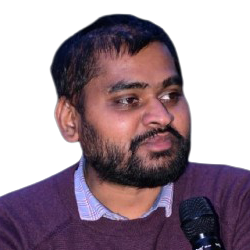
Neeraj Gurjar
Director, G&RB, Dehradun
Survey of India
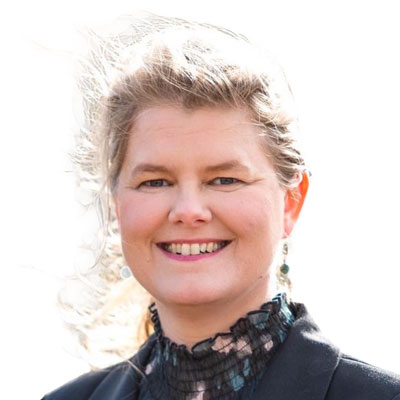
Paula Dijkstra
Director Kadaster International
Kadaster
The Netherlands
As Director of Kadaster International, Paula collaborates globally to help secure land rights, empower communities, and support sustainable development through reliable geo-information.
With a background in Social Geography and expertise in GIS and cadastre and land management, she is passionate about turning knowledge into impact. She currently serves as Co-Chair of the UN-GGIM Expert Group on Land Administration and as Chair of the FIG Task Force on the SDGs-roles that allow her to help shape global frameworks and foster meaningful change.

Rebecca Aspin
Data Scientist
Ordnance Survey
UK
Rebecca is a Data Scientist at Ordnance Survey, with experience prototyping new geospatial data products and providing cross government technical consultancy and support. Rebecca specialises in network analysis and routing, and is interested in making travel time analysis more accessible.
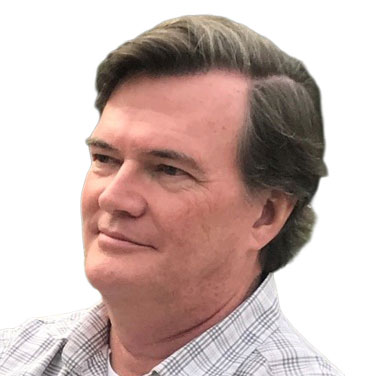
Richard Gross
President International Association of Geodesy

Stephane Chataigner
Lidar HD program Coordinator
IGN
France
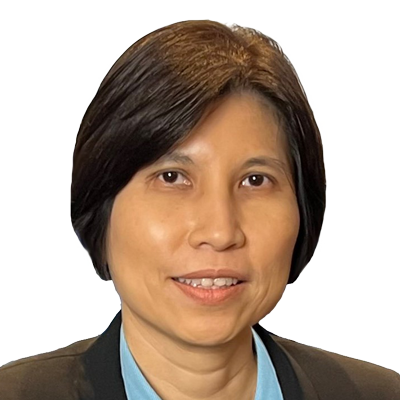
TEO Hui Ying
Deputy Director - Geodesy & National Mapping
Singapore Land Authority (SLA)
Tomaž Petek
Manager
Surveying and Mapping Authority of the Republic
Slovenia
Tomaž Petek is geodetic engineer and public sector specialist for geomatics. He has many years of work experience in the field of real estate registration, spatial data management and geoinformatics. During his professional career, he works on the projects of the State Geodetic Service and the establishment of Infrastructure for spatial information in Slovenia. He also participated in the procedures for establishing a new system of spatial planning and spatial management and the establishment of a spatial information system in Slovenia. He has many years of experience in the field of international cooperation and professional enforcement of the state geodetic service in Europe and the Western Balkans region. On behalf of the Surveying and Mapping Authority of the Republic of Slovenia he was a representative of the National Contact Point and a member of the INSPIRE Committee at the European Commission. Since 2015 he is a member of the Executive Committee of the UN Group of Experts on Global Spatial Data Management (UN GGIM Europe) and in period from 2018 to 2023 he was also Chairman of Executive Committee UNGGIM Europe. Last two years, Tomaž Petek is a president of Management Board of EuroGeographics, the Association of European Geodetic, Cartographic and Cadastral Administrations.
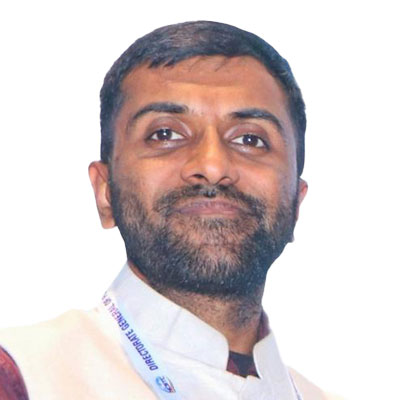
Yudhishtir Jagadeesha
Assistant Director, Promotion Directorate, Department of Space
IN-SPACe
India
After obtaining his B.Tech degree in the discipline of Aerospace engineering from IIST, he joined the Spacecraft Mechanisms Group at U.R. Rao Satellite Center. He was responsible for the design of mechanisms for deployment of appendages of a satellite namely reflectors, antennas and solar panels. Over a span of 8 years, he has contributed in his capacity as Project Manager in missions like Chandrayaan-3, SPADEX and satellites of Indian Remote Sensing Satellite Programme for delivery of mission critical deployment systems. He was also responsible for realization of test systems for carrying out Zero-G simulation tests for system qualification. He has had extensive association and collaboration for subsystem realization with industry partners catering to the Space sector. In his current role as Assistant Director at Promotion Directorate of IN-SPACe, he is tasked with the job to enhance the private sector and academia participation in a "whole of nation" approach envisaged for the space sector and broaden the launch and satellite service market.
Besides this he loves reading large chunks of new and interesting articles, reports by various agencies , and policy prescriptions . Loves to travel around the world , having stepped on 30+ countries till date.
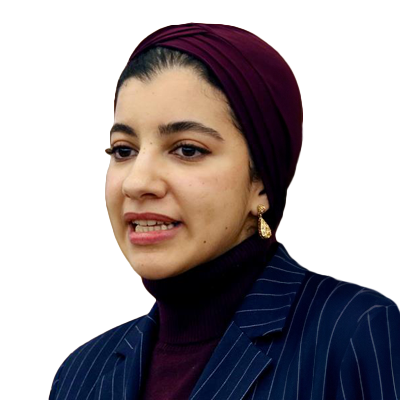
Zaynab Guerraou
Data Application Scientist
European Space Agency (ESA)
Italy
*Speakers are listed alphabetically