0900 - 0915
Capacity Development: Overview of the Current Capacity Landscape in India
Theme: Bridging the Skill Gap
3 December 2025 | Hall No - MR 8



India, as one of the fastest-growing and fifth-largest economies in the world, is striving for self-reliance and sustainability. Capacity building has emerged as a crucial lever to empower the nation's development journey. Within this vision, the geospatial industry plays a pivotal role. However, despite its transformative potential, the industry is facing a significant challenge — a growing demand-supply gap in skilled professionals, especially as geospatial and frontier technologies evolve rapidly. This mismatch is slowing down innovation and automation. Academia, industry, and government must collaboratively address this disconnect to ensure a workforce that is both job-ready and future-fit.
To address this challenge, GeoSmart India 2025 is hosting a one-day Impact Symposium on “Capacity Building: Bridging the Skill Gap” , 2025, at Bharat Mandapam, New Delhi. This platform will bring together key stakeholders from the geospatial ecosystem to deliberate on closing the skill gap. The summit will examine structural barriers in academia-industry engagement, the need for global-standard training and certification, and the importance of re-skilling and up-skilling in response to the automation-driven transformation of the sector. It will also explore collaborative approaches to create a pipeline of talent that meets current demands and anticipates future shifts.
The program will emphasize building a sustainable, globally competent workforce aligned with the National Education Policy 2020 and national initiatives such as the Indian Institute of Skills Centres (IISCs). Discussions will center on bridging the academic-industry divide, fostering industry-led skilling, and encouraging innovative, flexible learning pathways. By aligning education with evolving market needs and empowering youth with new-age capabilities, India can lead the way in developing a geospatial workforce that is not only ready for today’s challenges but is resilient and adaptive for the future.






Session Highlight
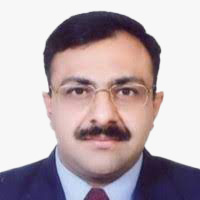
Guest Address & Chair
Vice Chancellor
Delhi Technological University (DTU)
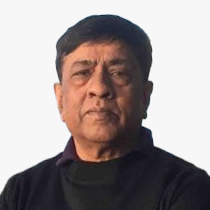
Guest Address & Co-Chair
GACI (GIS Academia Council of India)
Esri India
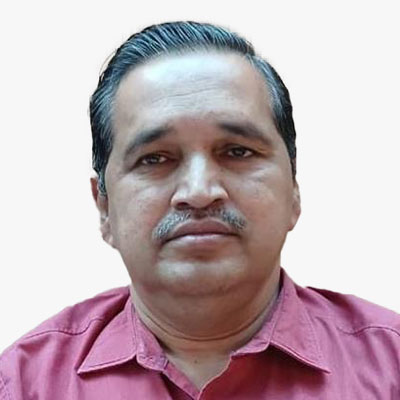
Scientist G & Head
Department of Science and Technology, Government of India
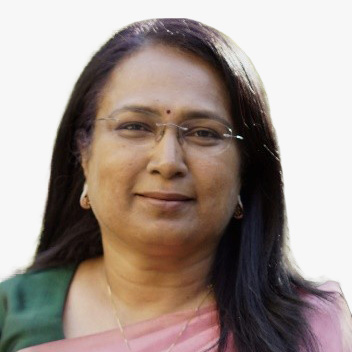
Professor and Principal - Institute of Environment Education and Research (IEER)
Bharati Vidyapeeth Deemed University
Professor & Director - Institute of Remote Sensing
Anna University
Professor & Head - Geospatial Research Programme
Takshashila Institution
Chief Executive Officer
SSC Nasscom
Session Highlight
Guest Address & Moderator
Lead Advisor- Science
Environmental Defense Fund
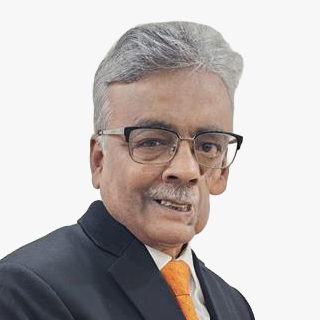
Special Guest Address
Former Secretary UGC & Senior Advisor DST
Chief Executive Officer
Geokno
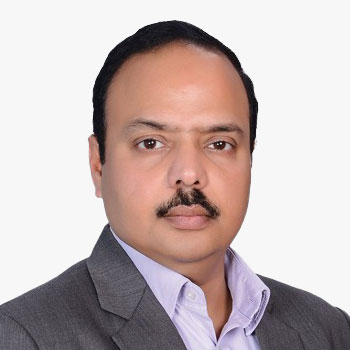
Chief Executive Officer
NeoGeoinfo Technologies
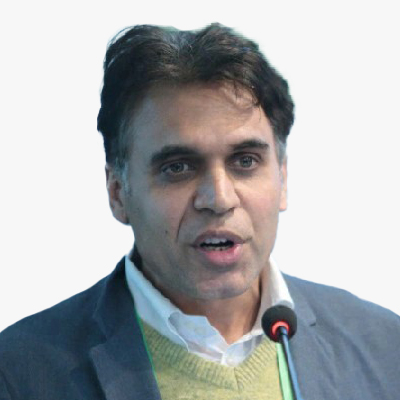
VP - Projects & Learning Resources
Electronics Sector Skills Council of India (ESSCI)
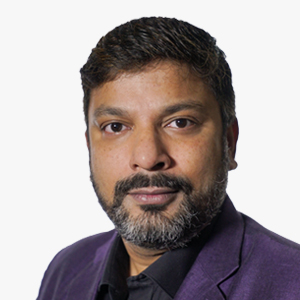
Vice President - Business Development
Esri India
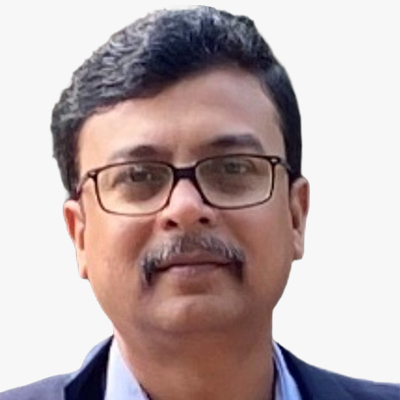
Managing Director
Geomaticx Scientific Technology Services Pvt. Ltd.

USC Professor and Founding Director of the Spatial Sciences Institute
University of Southern California, USA
Session Highlight
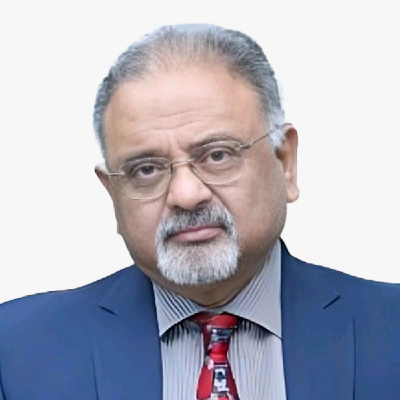
Guest Address
Vice Chancellor
Jawaharlal Nehru Technical University (JNTU)
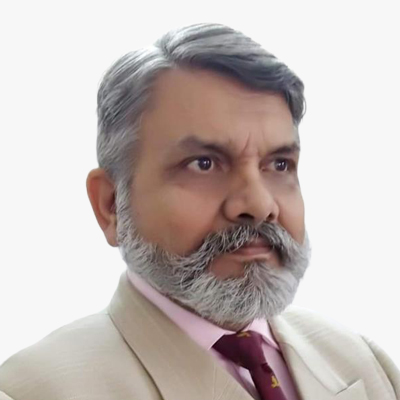
Moderator
Sr Vice President
Global Economist Forum
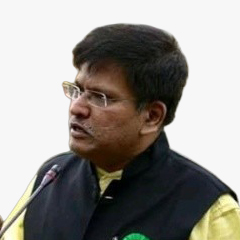
Director - Curriculum Development & International Co-Operation
Ministry of Skill Development & Enterprenuership, Government of India

Assistant Professor
CEPT University
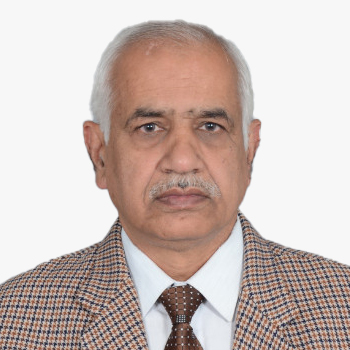
Director - Amity Institute of Geo Informatics and Remote Sensing (AIGIRS)
Amity University Uttar Pradesh
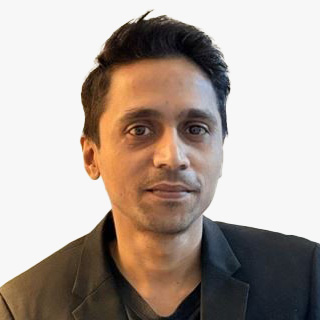
Founder and Chief Executive Officer
GIS Vision India
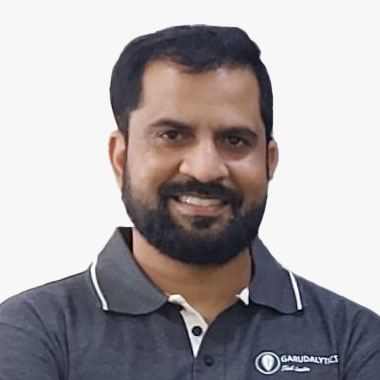
Founder & Chief Executive Officer
Garudalytics
Associate Professor & Head
Department of Civil Engineering, IIT Ropar