
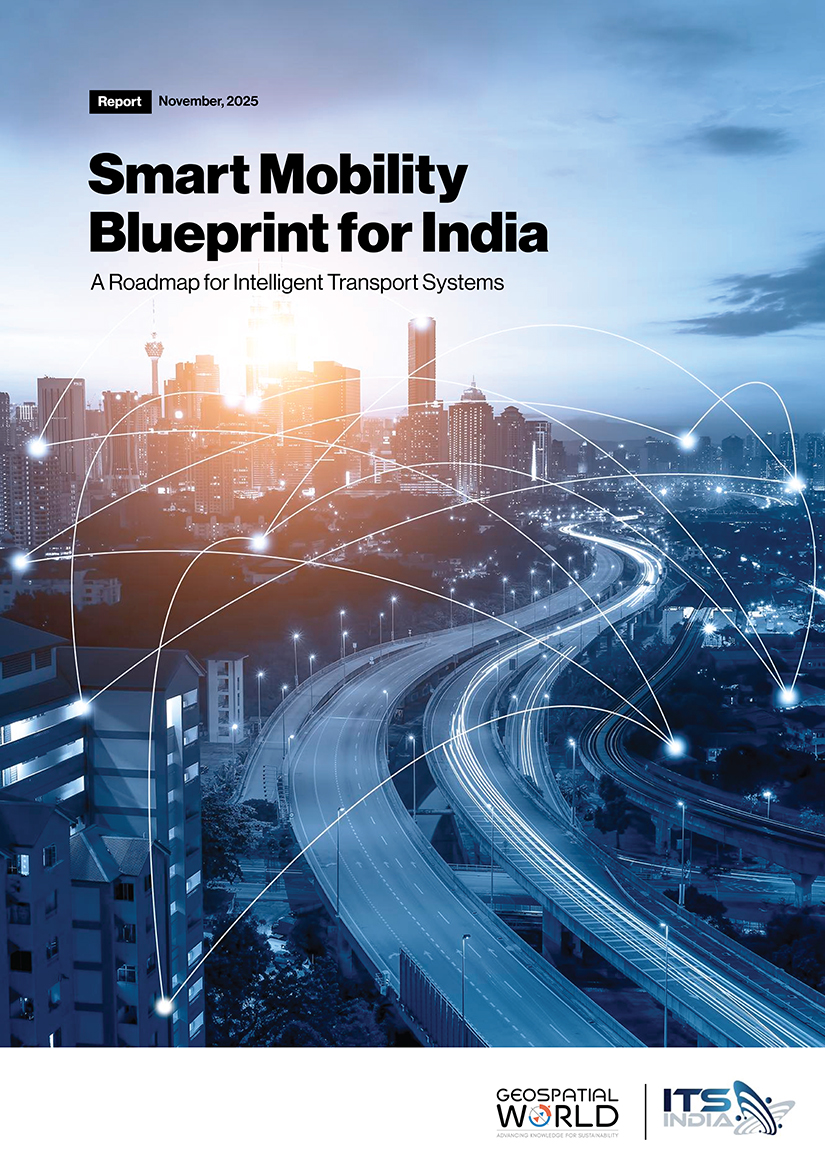
India’s mobility story is entering its most transformative decade. As the nation advances toward Viksit Bharat@2047, the way people and goods move will shape not just economic growth, but the very quality of life and sustainability of its cities. Roads, railways, and urban corridors can no longer function as isolated systems, they must evolve into a digitally synchronized, data-intelligent mobility network that is safe, efficient, and inclusive.
The Smart Mobility Blueprint for India: A Roadmap for Intelligent Transport Systems charts this transformation. It envisions a transport ecosystem where every signal, sensor, and system communicates seamlessly in real time, turning mobility from a manual, fragmented process into a self-learning, adaptive infrastructure fabric.
By fusing digital innovation with sustainable planning, the blueprint positions Intelligent Transport Systems (ITS) not merely as a technology intervention, but as a mission - one that underpins India’s pursuit of resilience, inclusivity, and long-term economic progress.
A glance into what this roadmap covers:
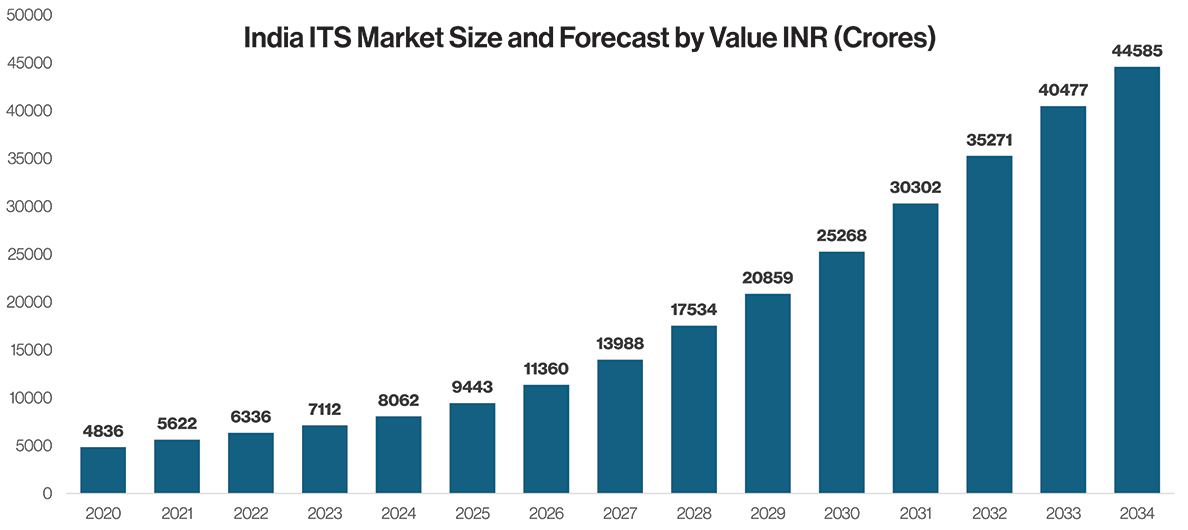
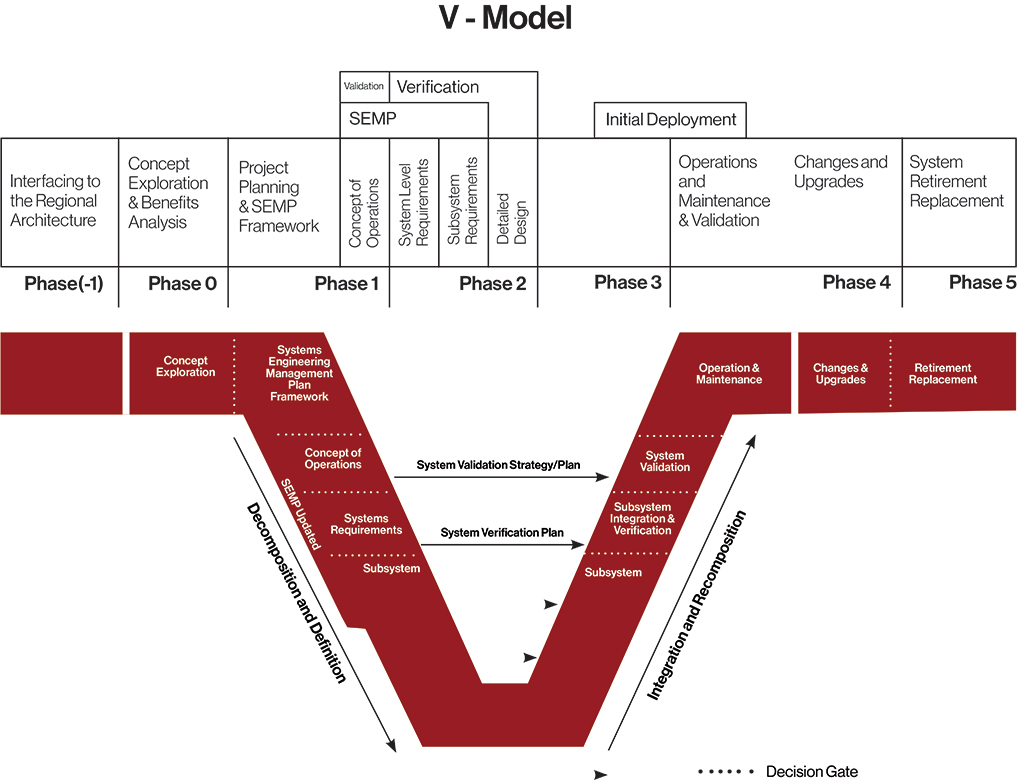
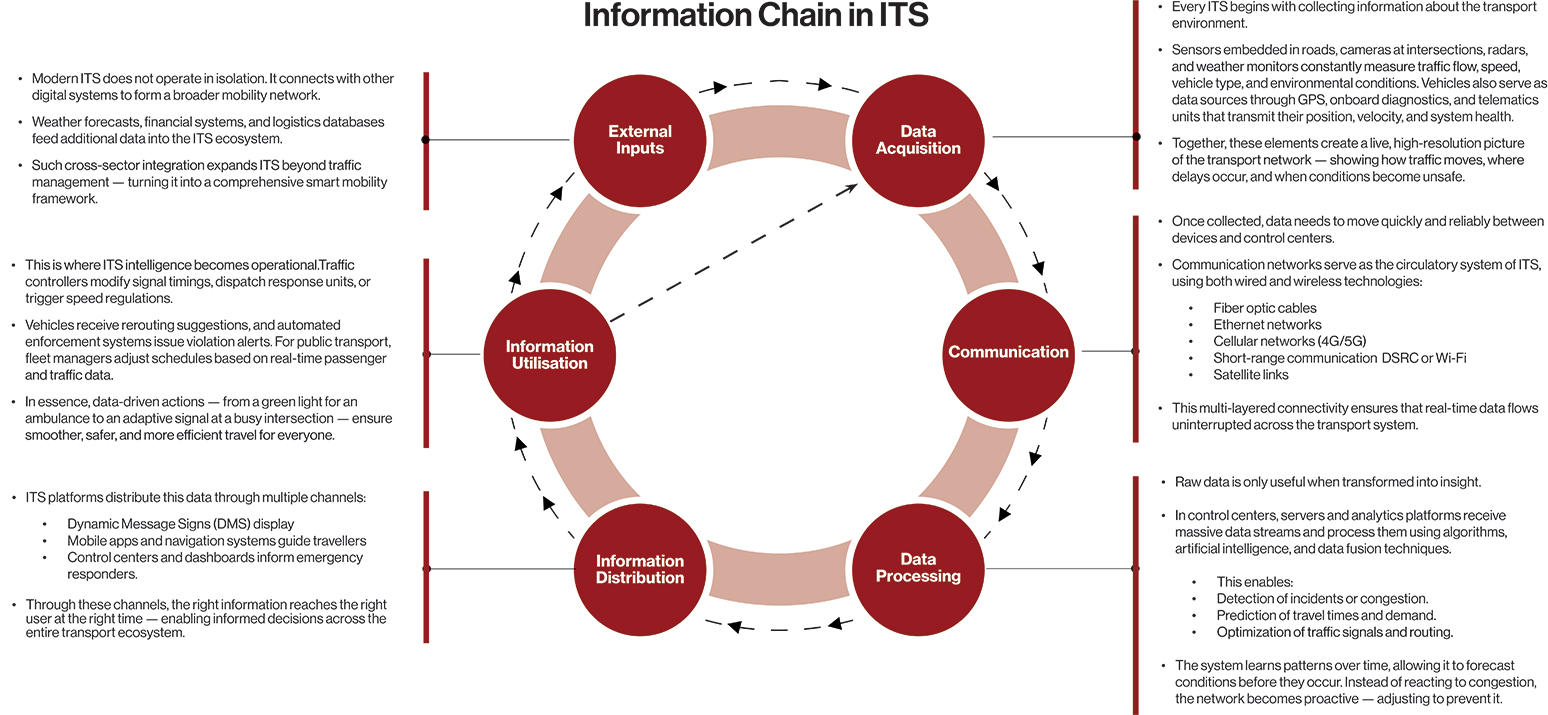
India’s transport revolution will not be driven by highways and metros alone. It will be built through intelligence, integration, and inclusivity. The choices made today will decide whether mobility becomes a force for productivity and equity or remains a source of congestion and disparity.
This roadmap calls for a fundamental shift in how we design and deliver mobility:
By embedding these reforms, India’s transport systems will evolve from isolated infrastructure assets into intelligent enablers of growth, safety, and sustainability driving national productivity and advancing the vision of Viksit Bharat@2047.

Ankur Vyas
Industry Manager – Infrastructure & AEC
Geospatial World
Email: [email protected]

Abhishek Verma
Industry Manager – AEC
Geospatial World
Email: [email protected]